
Jenkins Mountain & Adaptive Management
Studying Adaptive Management at Jenkins Mountain
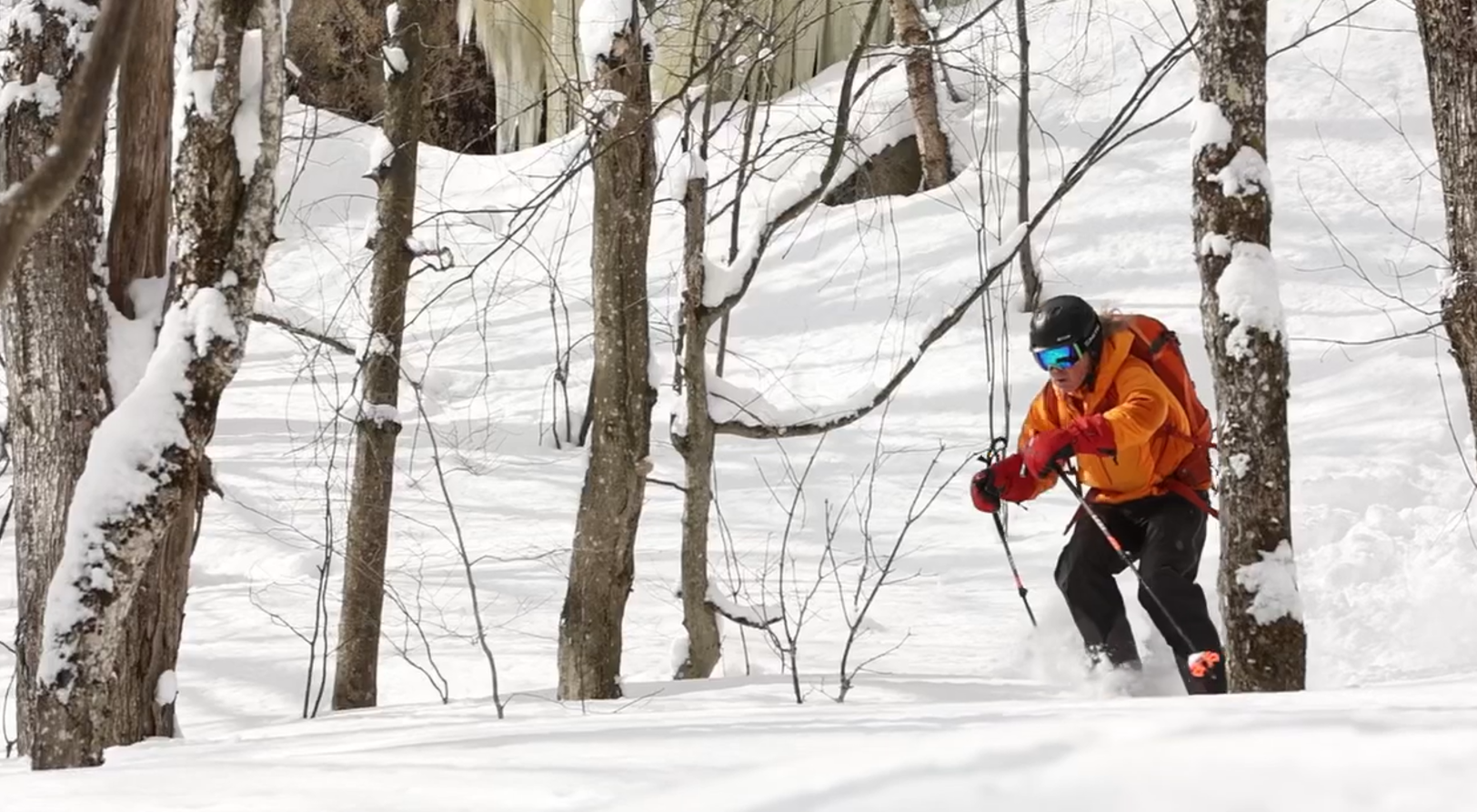
Adirondack Wilderness Advocates, Adirondack Wild, Paul Smiths Visitor Interpretive Center (VIC), and the Adirondack Powder Skier Association teamed up to design, implement, and operate a Backcountry Skiing Adaptive Management Project at the VIC. The issues around management of backcountry ski routes in the Forest Preserve have been discussed and debated for years. Led by Adirondack Wild board member and AWA Technical Advisor at the time Chad Dawson, this project is intended to demonstrate how an adaptive management approach, structured within a Visitor Use Management (VUM) framework, can illuminate these issues with data and science, and provide the State and stakeholders with quantifiable evidence of both the impact on the resource as well as the quality of skiers’ experience.
The Jenkins Mountain project is one of AWA’s most significant undertakings, and it is a great opportunity to support a project that will help spur better protection of the Adirondacks’ wild places. Both the Department of Environmental Conservation (DEC) and Adirondack Park Agency (APA) have engaged with us to learn from our experience.
What is Adaptive Management?
Adaptive Management employs a methodology that marries desired conditions with monitoring and data analysis to drive iterative, responsive adaptations to changing conditions on the ground. This is something that the Adirondack Park desperately needs as it strains under dynamic problems like climate change, invasive species, increased visitation, and massive spikes in usage that can occur on any sunny day. Adaptive management was the cornerstone recommendation by the DEC-sponsored High Peaks Advisory Group (HPAG), of which AWA was a member.
History of the Jenkins Project
While VUM and adaptive management are not new ideas, they are not something with which the DEC has a lot of experience. Misconceptions have persisted. AWA heard multiple times from DEC administrators that while VUM sounded good, they did not have the resources to implement it on any kind of scale.
In fact, in contrast to the top-heavy and largely static Unit Management Planning process the DEC has employed since the 1970s, adaptive management is responsive, light on its feet and does not require a massive investment in resources or time. There is a huge advantage in not having to have all the answers up front, but rather to learn and adapt as the process unfolds. This is exactly how to address dynamic problems like the ones the Park faces.
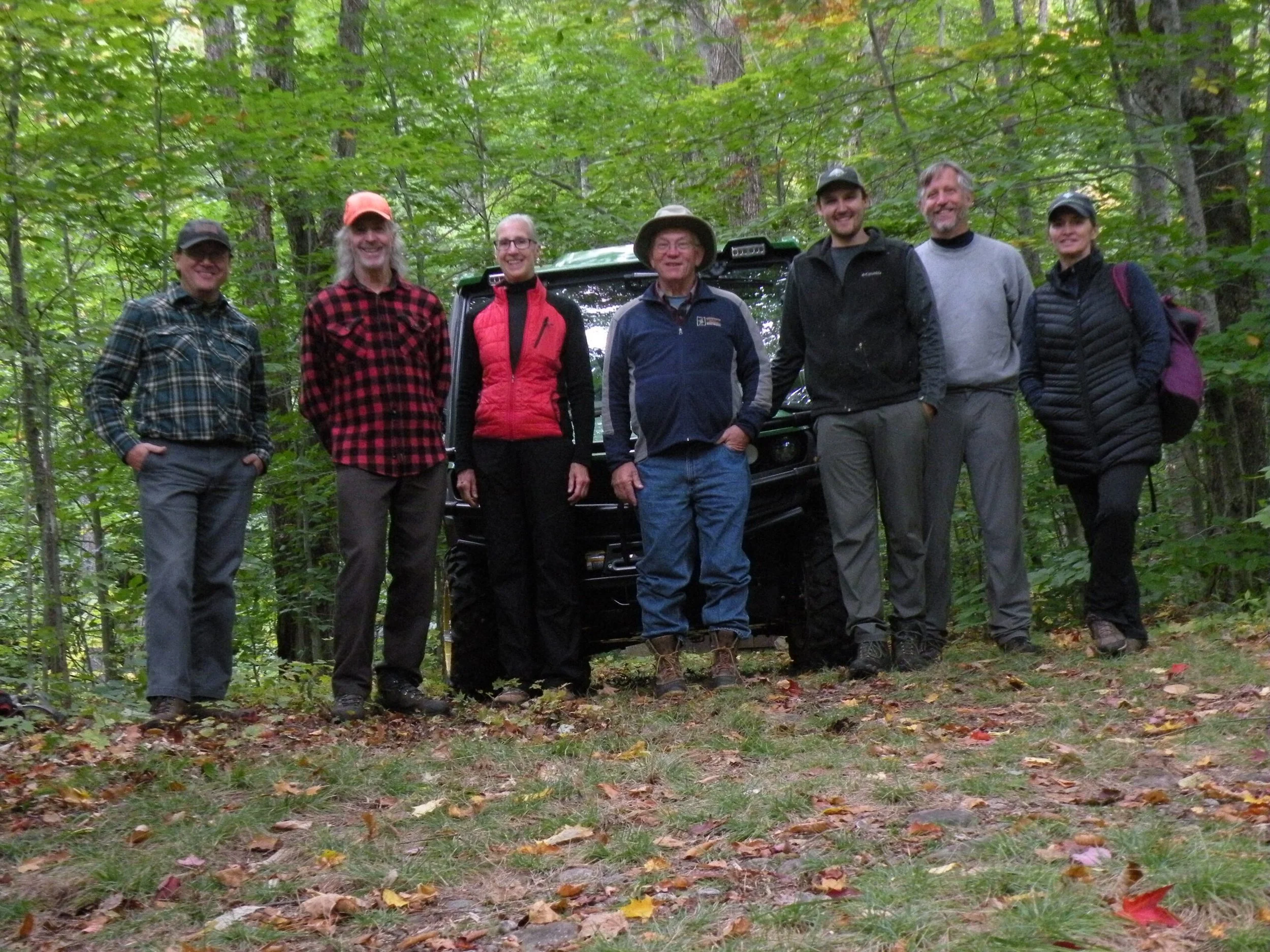
With the VIC looking to expand their recreational offerings, and with Chad Dawson available as an expert resource, AWA and Adirondack Wild saw an opportunity to create a project of modest scope on private property, led by Dawson, that could demonstrate VUM and the adaptive management process.
In particular, the project could show that the resource demands to drive adaptive management are not as great as some assume. A project team was formed and after assessing options, determined that the best fit for the VIC was to develop and manage a backcountry skiing area on Jenkins Mountain in the northwest corner of the VIC property. The team partnered with expert backcountry skier Ron Konowitz and the Adirondack Powder Ski Association to design and build a first-class backcountry ski trail system.
The time is now to study Visitor Use Management and Adaptive Management.
Read Our Proposal