
Wilderness areas are places where humans are just visitors, though nowhere in Federal or State definitions does it say these places are “pristine” or “virginal.” What characterizes a wilderness is 1) the priority to protect natural systems and 2) spaces for human-powered, non-motorized recreation. In many ways, humans have left their mark on these places we call wilderness. Sometimes that evidence is very clear, like an old road cut through a forest or some kind of ruins. Sometimes, though, it takes a keener eye to spot the past human influence on the land.
The story of the Adirondacks is deep and complex. Thanks to Curt Stager and David Kanietakeron Fadden we know that there is a long history of human presence in the Adirondacks, dating back some 12,000 years, if not more. In more recent history, industrial and cultural artifacts left by modern humans dot our wild places, sometimes hidden under leaves, sometimes boldly on display within Wilderness areas.
Lights. Camera. Action!
These days, someone traveling between Saranac Lake/Ray Brook and Lake Placid will mostly see trees. But between 1950-1974, something else towered above the roadway. With a 300-car capacity, the Sara-Placid Drive-In Theater was a place for Tri-Lakes locals to catch a film al fresco. In addition to movies, the location was also used for church services during the 50s and the owners operated a miniature golf course adjacent. At 55mph you likely won’t notice the spot where the screen once stood, but if you wander around the woods, you can find all sorts of evidence that something human happened here.
Today it is part of the McKenzie Mountain Wilderness.
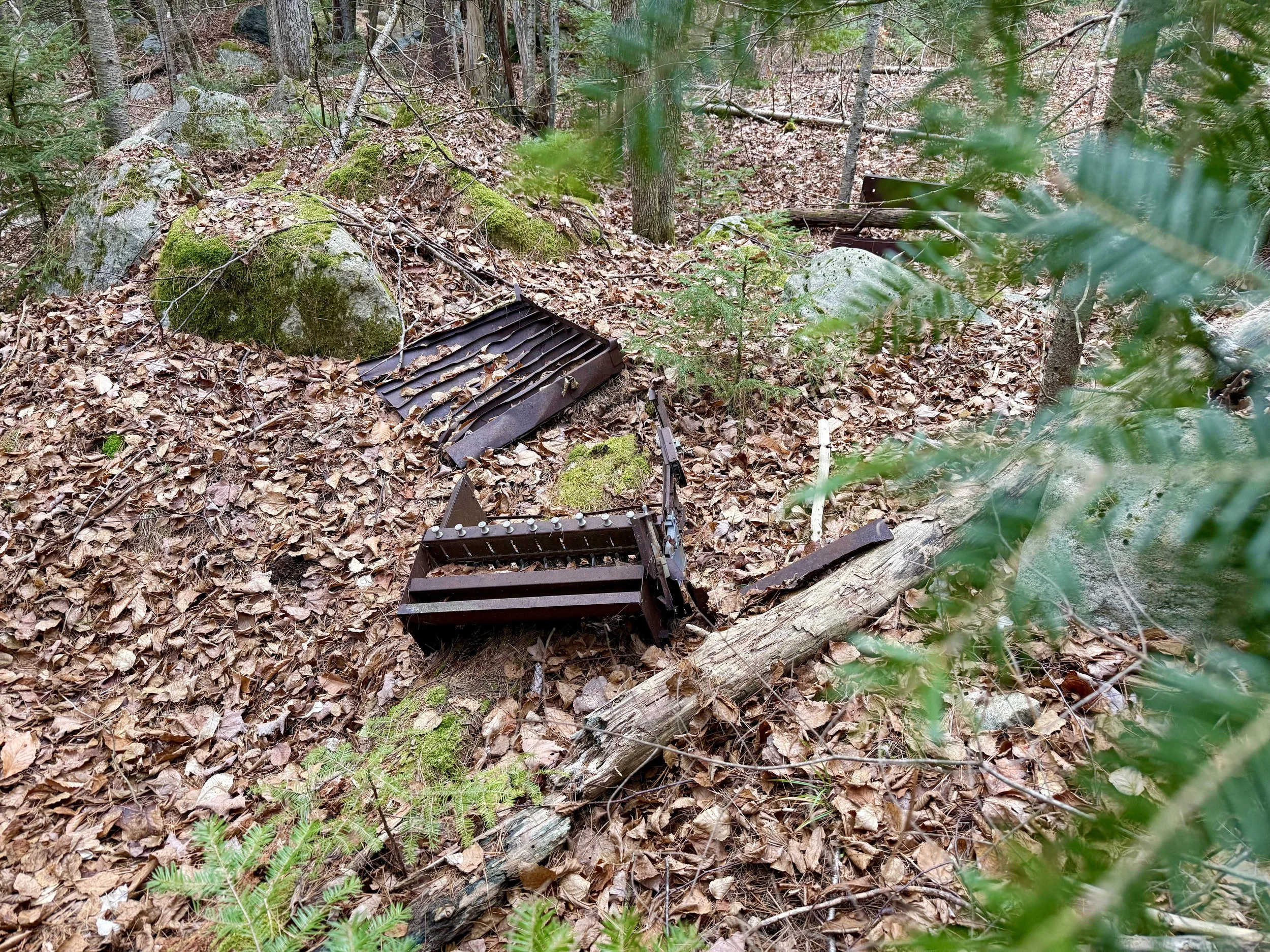
A cigarette machine abandoned in the woods.
Never heard of the Sara-Placid Drive-In Theater? That’s probably because its history is largely not talked about anymore, despite famous people being involved. One of the owners was Ernie Stautner, a professional football player and coach. In 1969, a few years before the theater closed, Stautner was inducted into the Pro Football Hall of Fame. Of course, Stautner’s Wikipedia page is mostly football related, but the third to last sentence mentions the Sara-Placid Drive-In. That’s recognition! Even after the theater closed, the location still continued to have major human use - and during world famous events, too! During the 1980 Olympic Winter Games, it was a parking lot. Pavement remains are visible in multiple locations today.
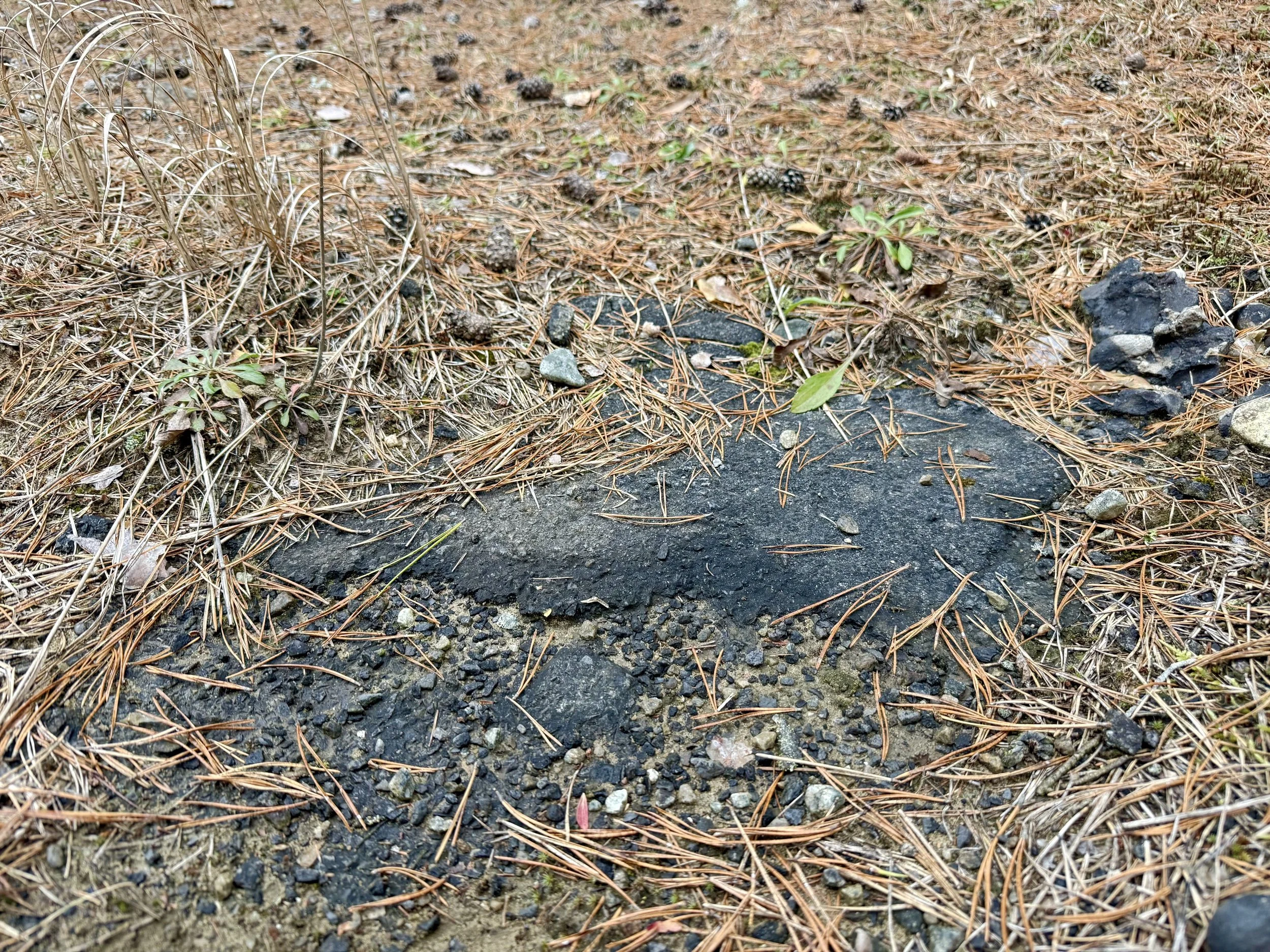
Pavement remains at the former Sara-Placid Drive-In.
This property could have had a very different fate. The owners made several attempts to sell it to developers who floated the idea of a shopping center. For whatever reason, that never came to fruition and the State was approached. Department of Environmental Conservation Region 5 Director at the time Bill Petty (brother of Clarence Petty) had his own ideas of how to “develop” the property. Petty thought maybe groups of native plants could be placed around paths, in a fashion much like an arboretum. Another of Petty’s ideas was to turn one of the existing buildings into an information center. According to an Adirondack Daily Enterprise article from September 1974, an information center could have helped “divert the flow of tourists from overcrowded areas like the High Peaks to accessible but less popular beauty spots in the area.” It seems that some things never change.
Obviously neither of Petty’s ideas worked out in the end. There is no arboretum. There is no information center at this spot. There has never even been a Unit Management Plan from the State to outline their plans for managing the McKenzie Mountain Wilderness.
What is present is a great lesson in rewilding, which shows us how a landscape can return to nature after years of steady human use.
Fast forward to today
In August 1998, Bob Seidenstein, a former columnist for the Adirondack Daily Enterprise, called the lot “a moonscape and unfair reminder of what it once was.” Seidenstein’s assessments might have some truth to them. With just a thin layer of soil atop of the former parking lot, it doesn’t resemble some of the lush forested areas in other parts of the Adirondacks. Unfortunately for Petty, a non-native species of pine - Scotch pine (Pinus sylvestris) - has taken up residence where cars once parked to watch films. Scotch pines can appear rather scraggly; as they grow taller, lower branches receive less sunlight and the tree sometimes redirect energy to the upper canopy, effectively killing the lower branches.
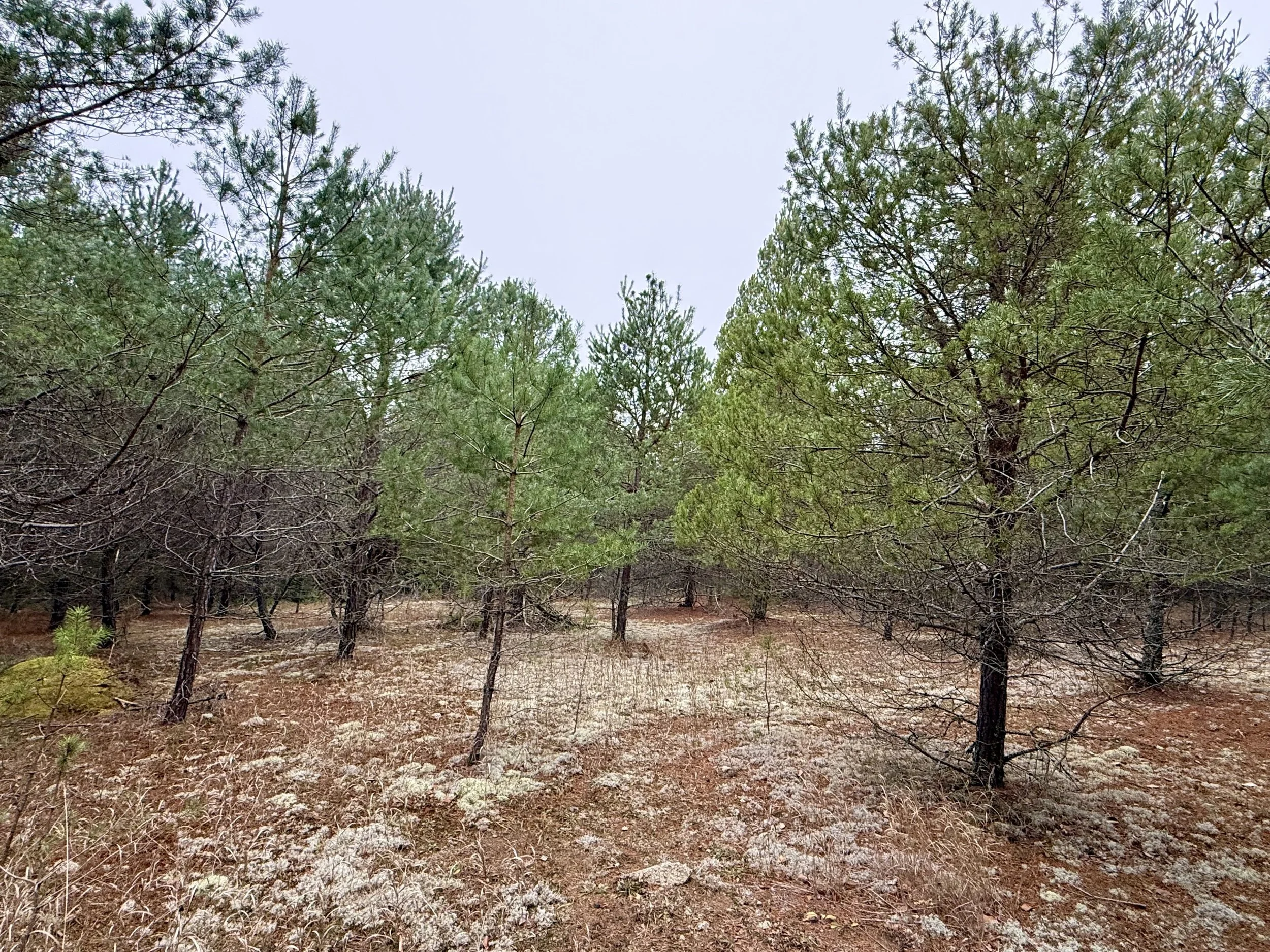
Pines standing where the parking was at the former Sara-Placid Drive-In.
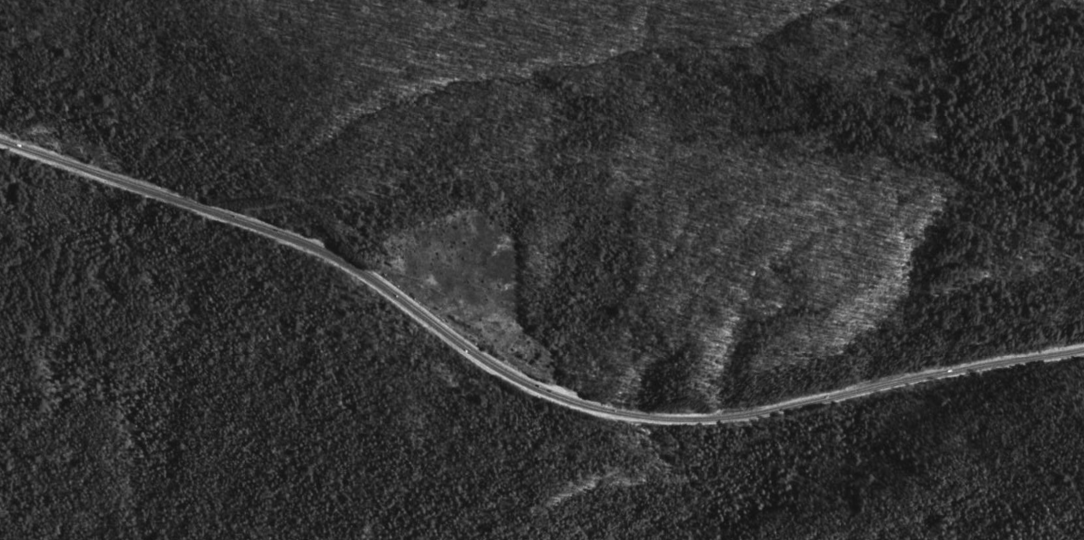
Historical Google Earth images dating back decades show the evolution of rewilding at the former Drive-In lot. The black and white image below (courtesy of Google Earth imagery) from 1994 shows a very clear boundary of the lot that was once cleared for the screen and parking lot. The color image below shows the same lot in 2025. Images can be enlarged by clicking.
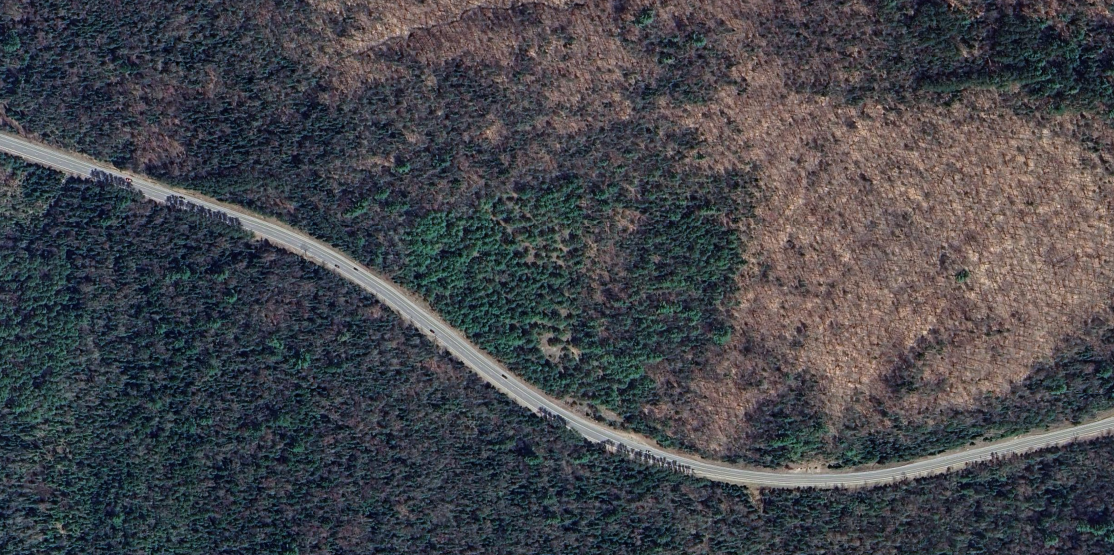
But what is rewilding? It is a rather progressive conservation approach that allows nature to do its own thing by reducing human control. The thought process is that nature knows best and can take care of itself if given the chance. There is no micromanaging. There is only giving nature the space to self-regulate. Wilderness areas of the Adirondack Forest Preserve are great examples of rewilding. As stated as part of the State Land Master Plan definition of Wilderness, landscapes classified as Wilderness are “protected and managed so as to preserve, enhance and restore, where necessary, its natural conditions.” Rewilding is a very forward-thinking activity. It does not focus on what something was, but what it can become. And that is an inherently hopeful thing!
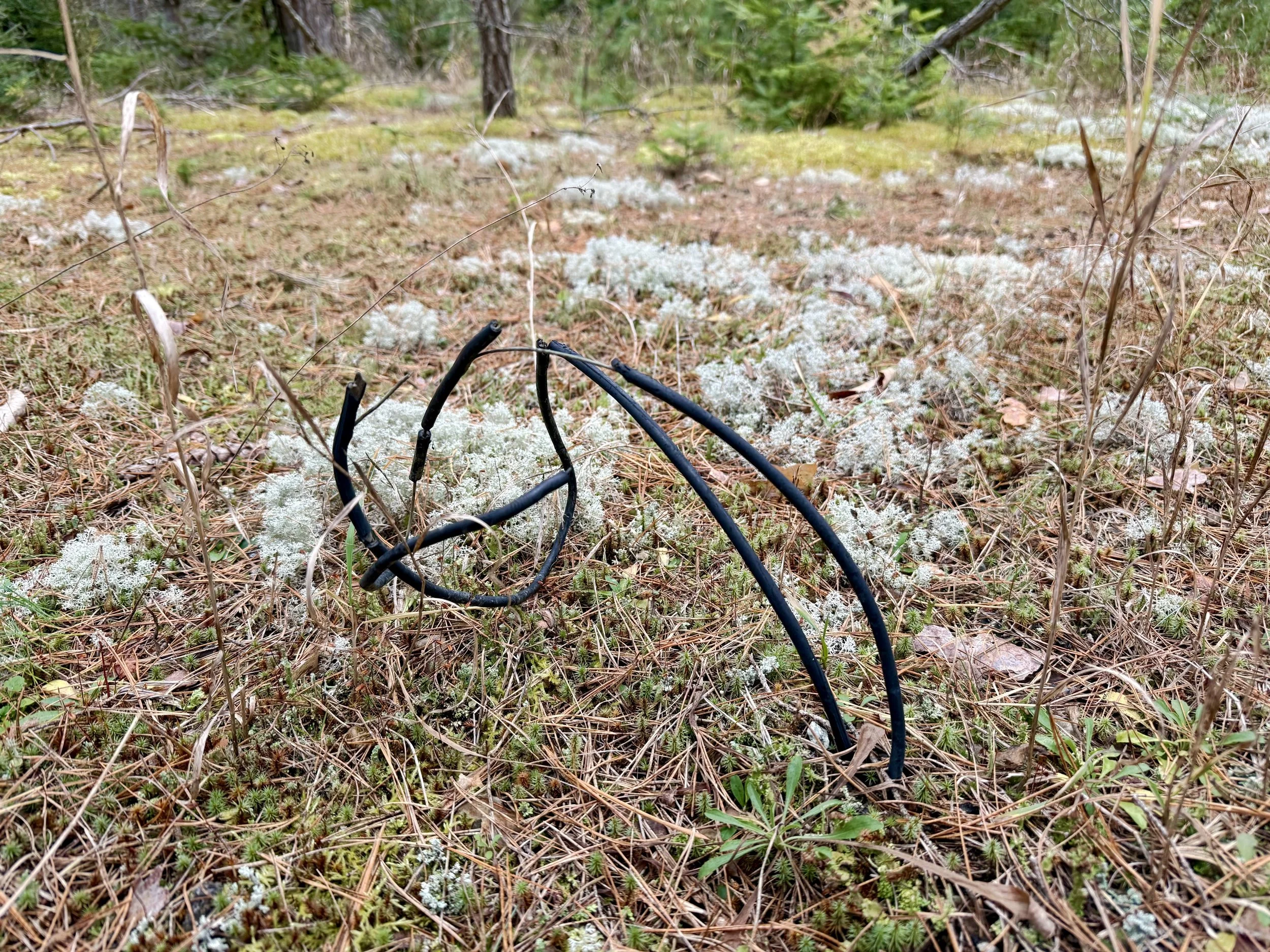
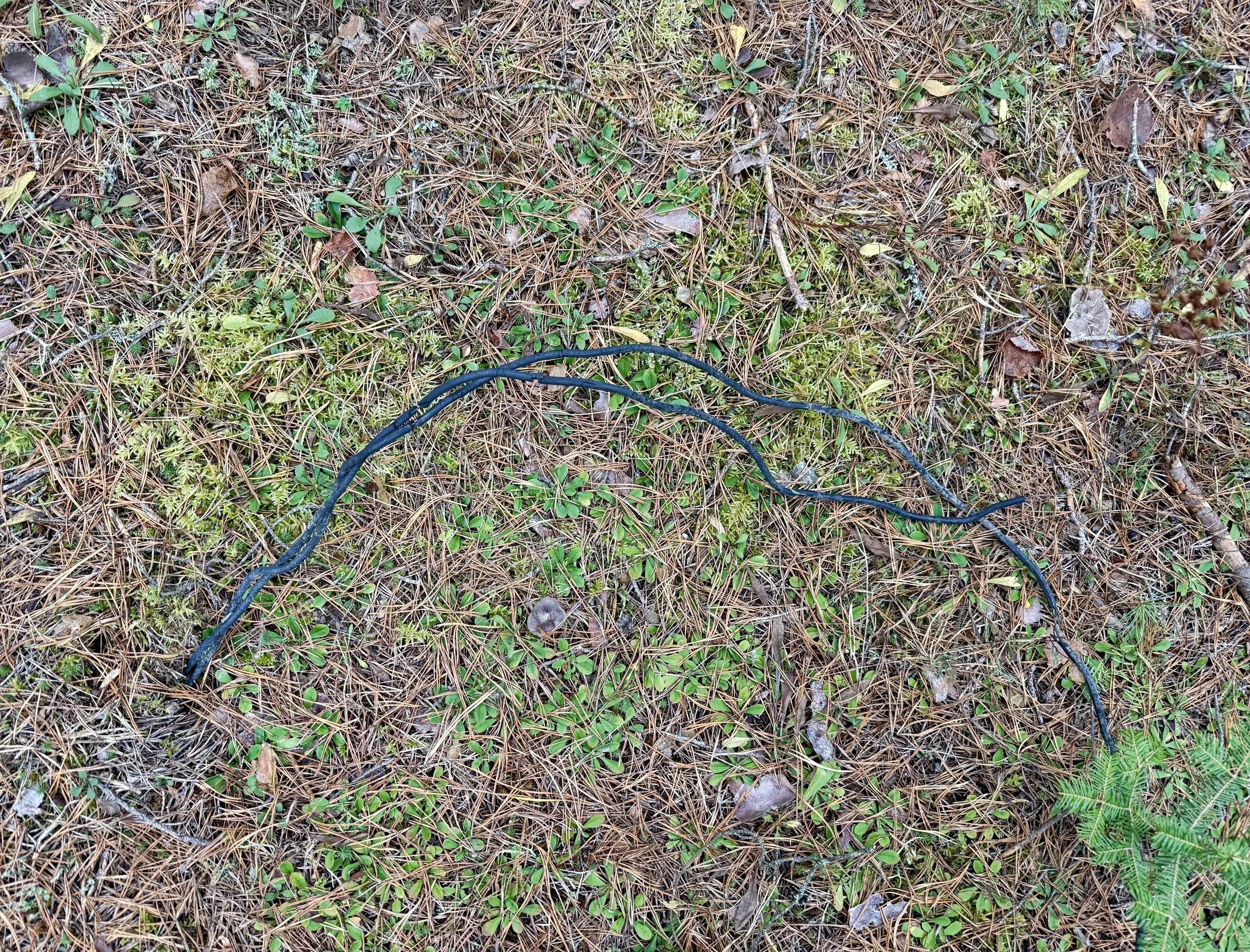
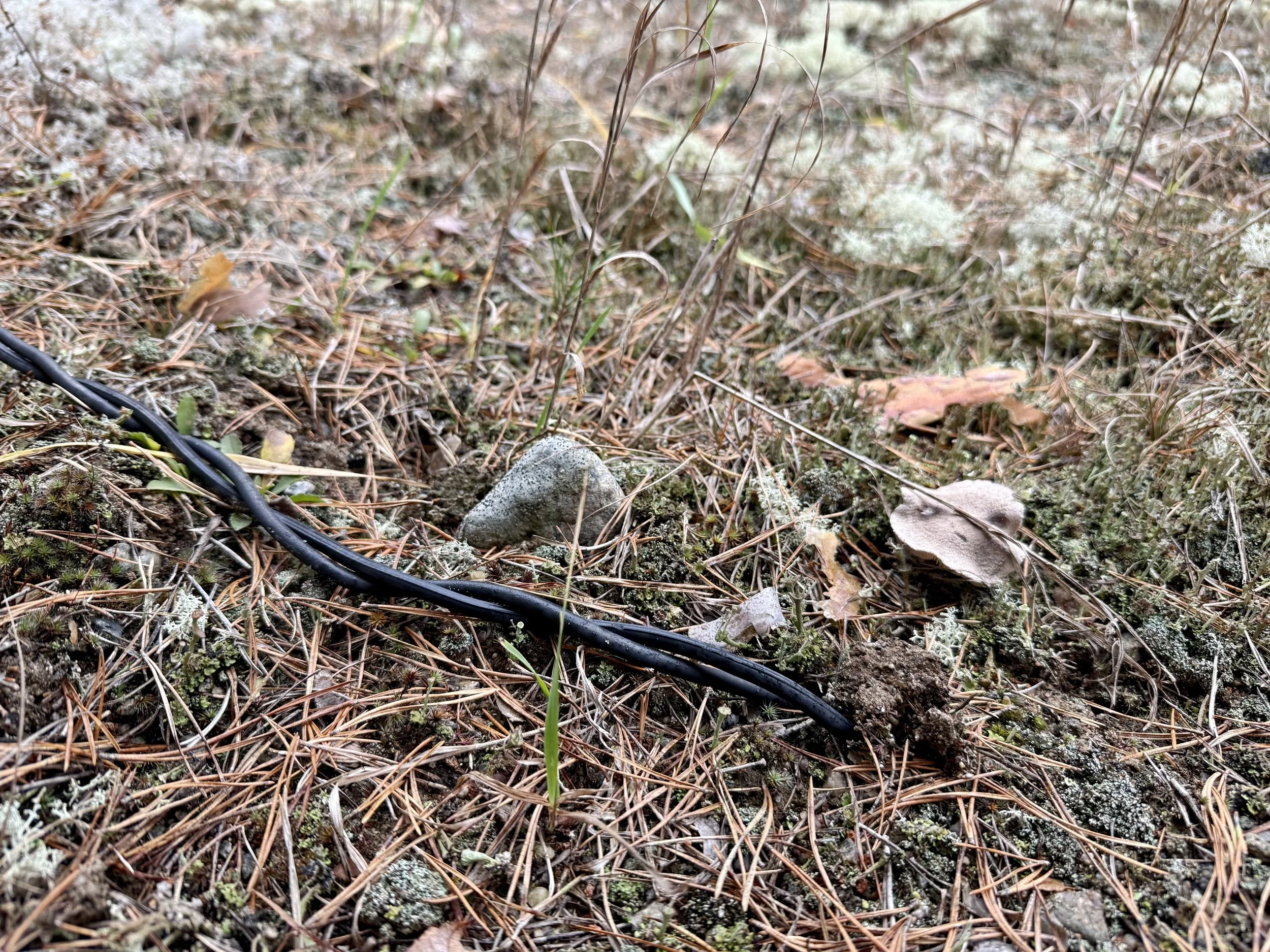
Even though there are electrical wires (pictured above), a cigarette machine, and bits of pavement poking through the earth, the 20+ acres of the Sara-Placid Drive-In Theater lot is very much a wild place today. As we established, Wilderness does not mean a place is “pristine.” Wilderness is left free from substantial human control, development, and infrastructure. Nature swallowing up wires, machinery, and pavement is clear evidence that humans are not in total control here.
In 1917, the Shore Owners’ Association of Lake Placid urged the State to purchase land that is today part of the McKenzie Mountain Wilderness when International Paper began harvesting timber on its holding on the slopes of McKenzie Mountain. Lumbering. Drive-Ins. Hiking trails. The McKenzie Mountain Wilderness has seen it all.