
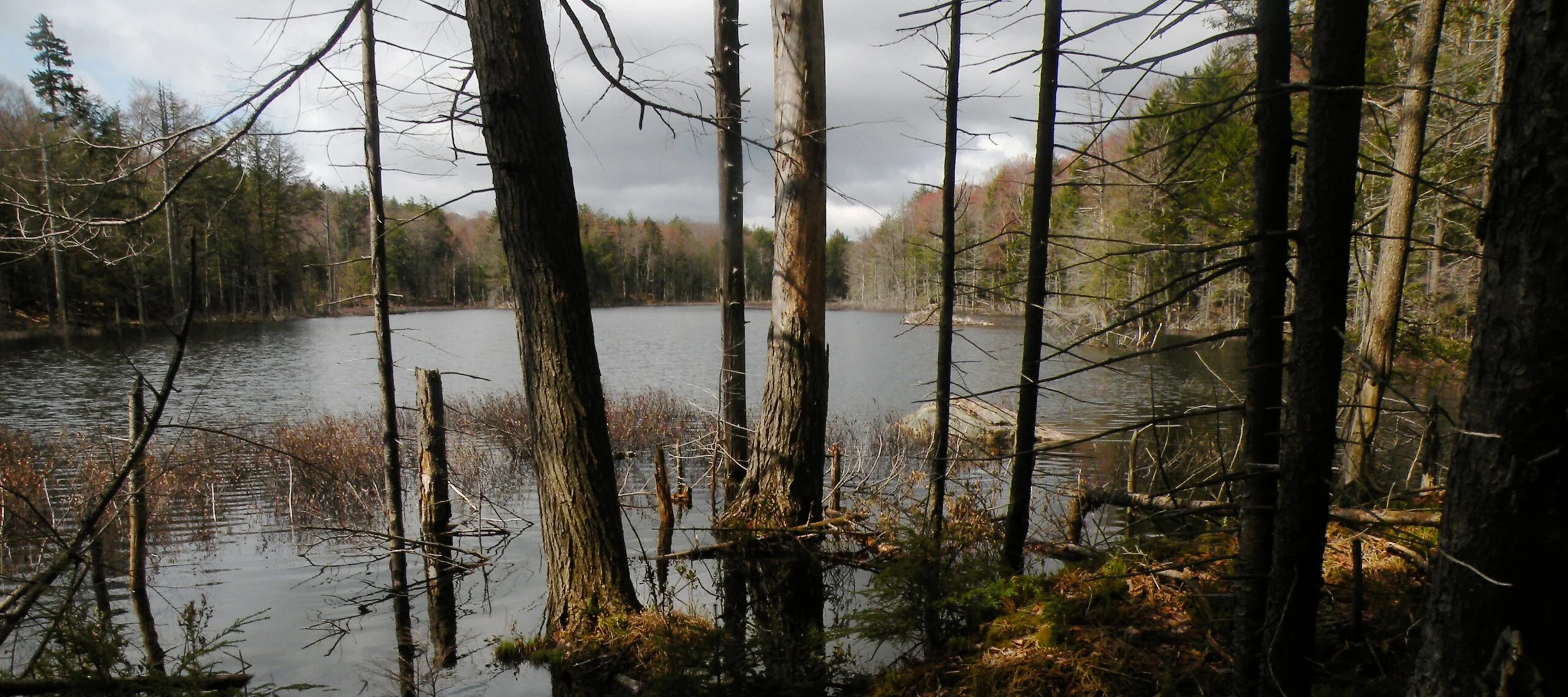
Cotton Lake: The Wilderness No One Knows
Seeing a potential wilderness designation in an area otherwise classified as wild forest often requires an active imagination and abundant optimism. However, neither trait is needed for one section of the Black River Wild Forest: the under-appreciated “Cotton Lake Wilderness.”
This term refers to a mostly undeveloped section of forest between the Black River and the main branch of Little Black Creek, which I first proposed for a wilderness reclassification in 2006.

The Company I Keep
…The animal seemed in no hurry to flee. I was the only human present on this entire wilderness lake, and he had nothing to worry about from me. So, realizing I might be here a while in observation, I grabbed a can of maple-flavored mead from my stash behind the tent and made this my Main Event. This was something to celebrate!…

Remembering Paul Schaefer: Camp Life at the Cataract Club
Paul Schaefer was perhaps the most famous Adirondack conservation “hero” of the twentieth century, the citizen-advocate who took on Albany on a number of Forest Preserve issues – and won. He hiked, he owned property, and he wrote. He is credited with the first known winter ascent of Crane Mountain in Warren County, and he tirelessly traveled the state to present the top issues concerning the Adirondack Park to civics-minded groups everywhere…
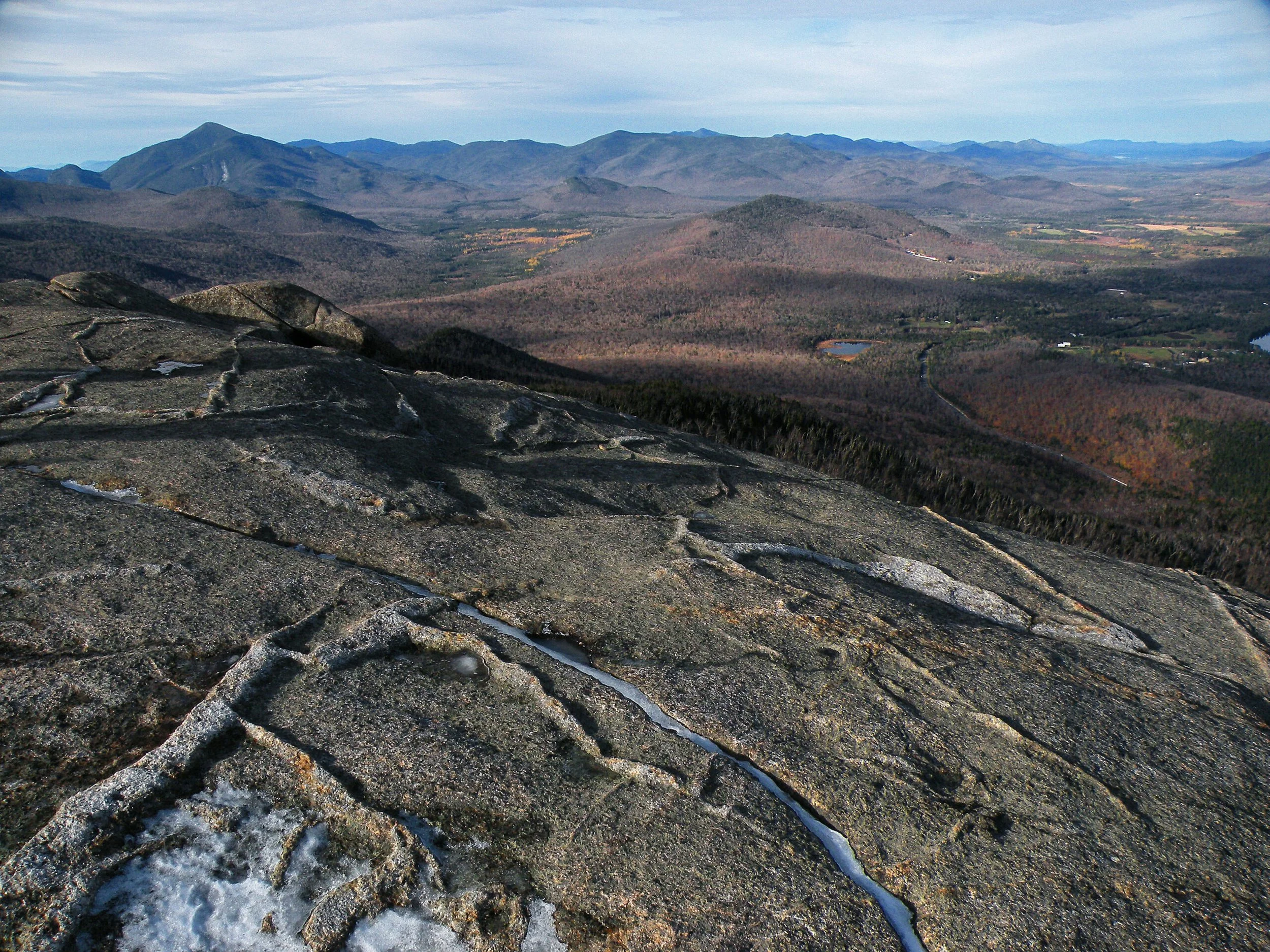
Ecosystems, Diversity, and the Wilderness Experience
If we have any hope of protecting our park and our planet, we need to involve everyone, and we desperately need perspectives that have been historically excluded.

Wilderness in the Presence of History
I can think of no place where this paradox - human vs nature - is more evident than at Sagamore Lake in Hamilton County, where legally-protected wilderness exists in the presence of history.
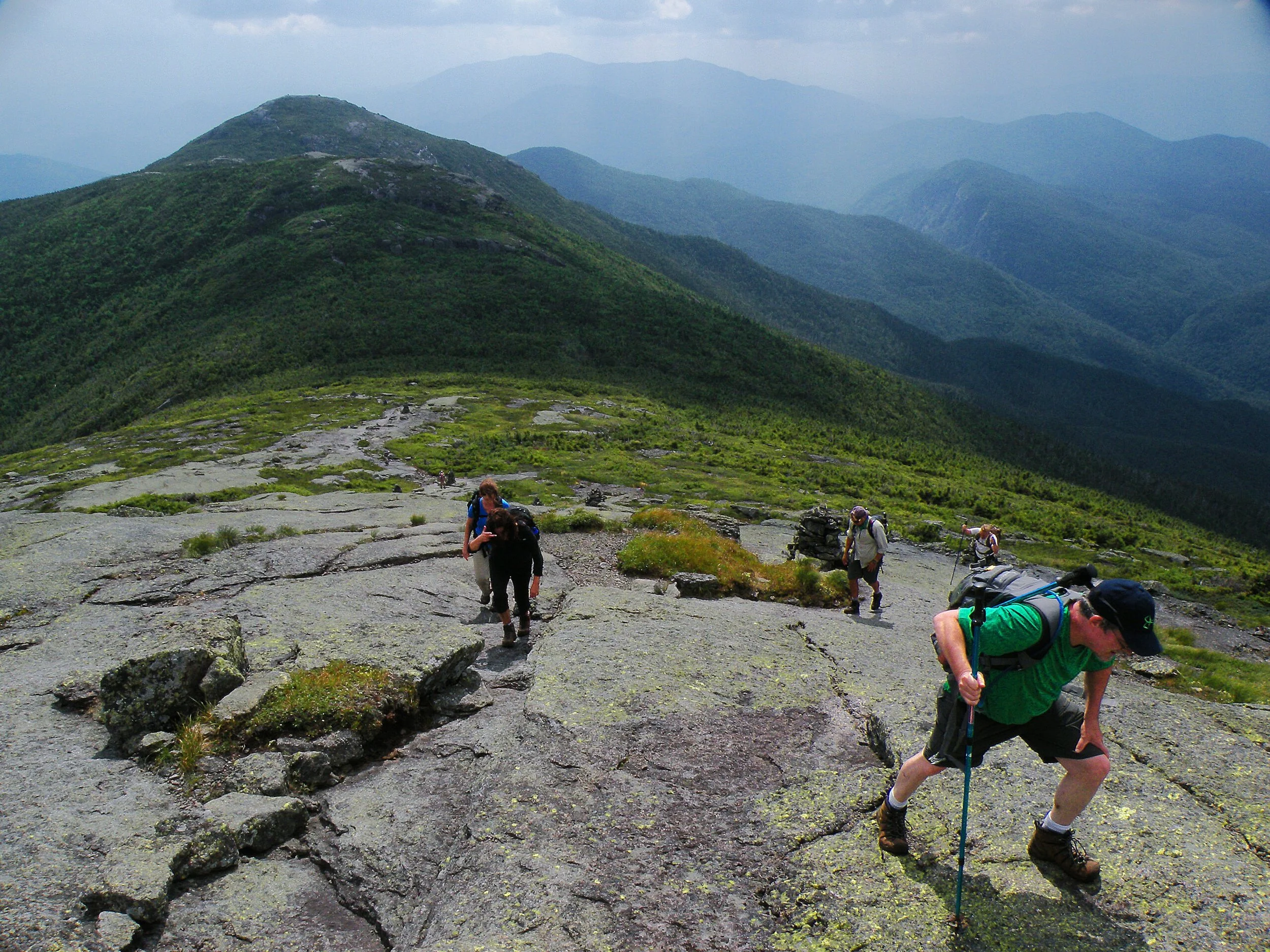
Public Invited to Join AWA for High Peaks Webinar
In the inaugural Wilderness Webinar, AWA Board member and High Peaks Advisory Group (HPAG) member Pete Nelson will talk about the recently released HPAG Final Report.

AWA Co-organizing an Alpine Summit Adaptive Management Pilot
This project, The Alpine Summit Adaptive Management Pilot, will build off the work of the current Summit Stewardship Program in the Adirondack High Peaks.

AWA Selects New Leader
The directors voted unanimously to elect Kayla White to fill the leadership position. White has been active in AWA since its founding in 2016 and a member of the board since 2018.
Expertise and Adaptive Management for the High Peaks
AWA’s first order of business in serving on the High Peaks Advisory Group (HPAG) was to ensure that protection of the Wilderness was a paramount and inviolate principle. That was established early in our meetings and it is clearly stated in the HPAG’s Final Report. Now comes the hard part: how to protect and preserve that Wilderness in the face of massive surges in use and the increasing pressures of a changing world.

Leading with Principles
Read the report that came out of the High Peaks Strategic Planning Advisory Group (HPAG).

A Very Brief History of the High Peaks Wilderness
The history of the High Peaks Wilderness is as storied as it is rugged.

Old Roads on Old Maps
Wherever that road is, I have no reason to believe we’re standing on it. By the same token, I have no reason to believe we’re not standing on it, either.

Forty-Six: On the Occasion of the 2021 Presidential Inauguration
The number “46” might have multiple meanings and influences in the Adirondacks.

AWA in 2021: Looking Back at Our Most Popular Posts
What follows is a listing of ten of our most popular posts over the last year, including new site features, Wild Thoughts, and of course the core issues we care about most. These are the pages that received the most views between January 1st to December 31st 2021.
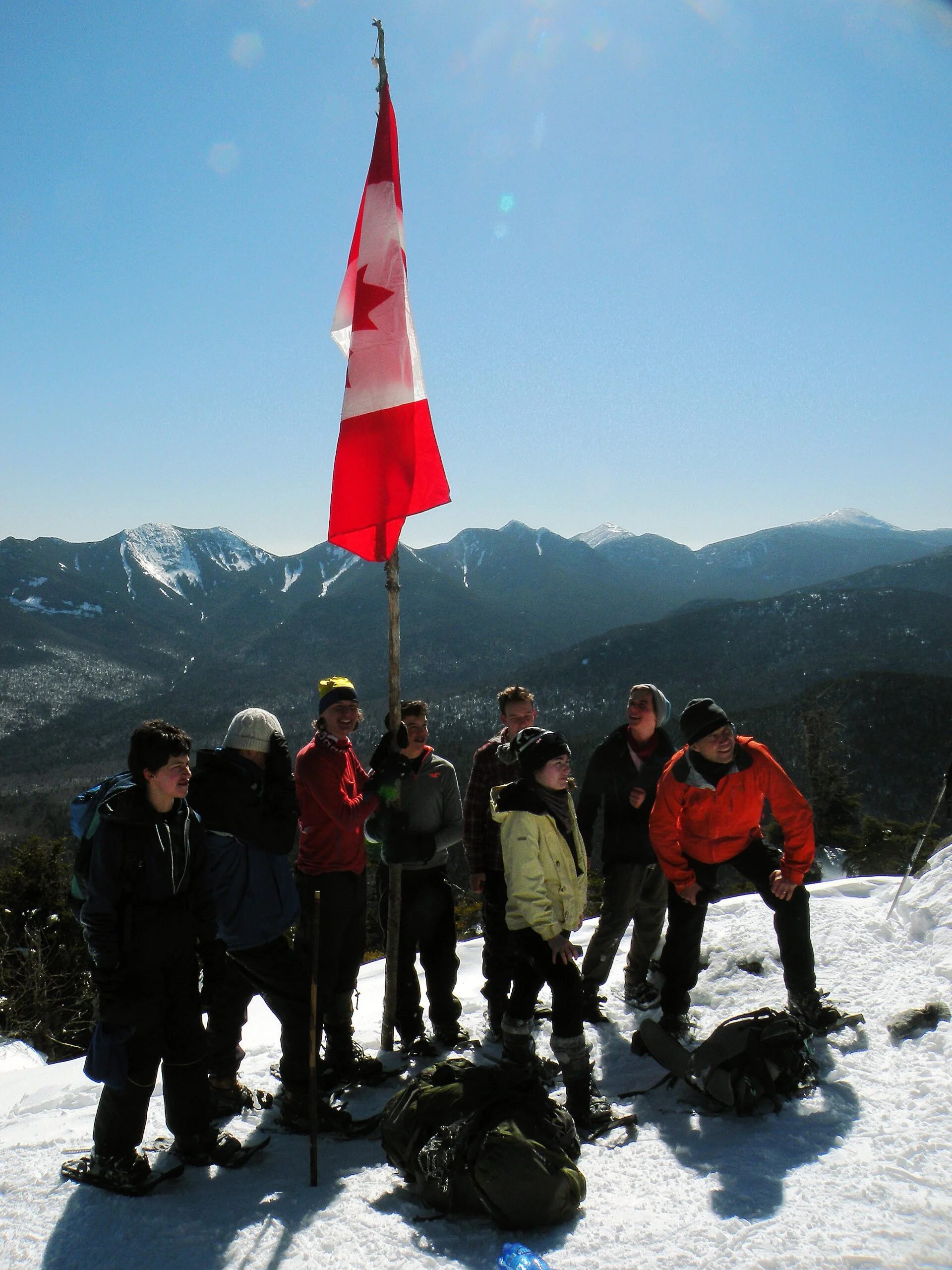
UPDATE: Development Continues on AWA’s Visitor Use Management App
The concept was simple: Provide a digital alternative to the ubiquitous trailhead register books many visitors fill out (and all visitors should fill out) on their way in and out of the backcountry.

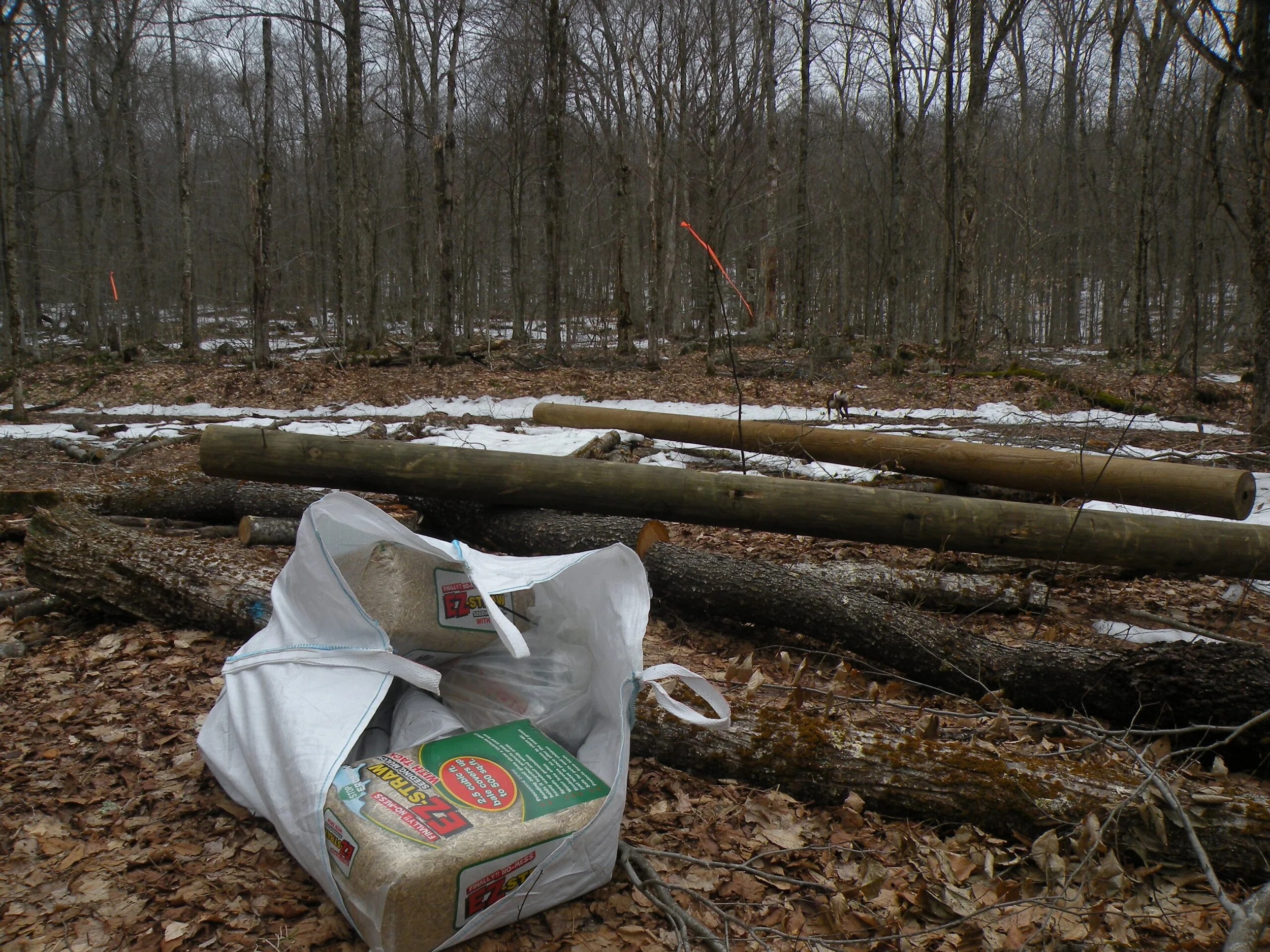
Wilderness Drop Zones: A Poor Management Practice
Adirondack Wilderness Advocates has become concerned about a recent trend in the way DEC fulfills this responsibility: the reliance on helicopters to deliver materials to remote work sites.

When the Earth Was Wilderness
It was about 10,000 years ago when we first began to make the transition from being inhabitants of a global natural wilderness to the first beings to ever try and tame it.

Protecting the Wilderness with Positive Reinforcement
The Coronavirus pandemic, which depressed visitation for the first part of the summer, has clearly caused a massive spike in recreation.

The Future Forest
Everyone who loves the outdoors would lose if New York was unable to secure a purchase agreement, now or in the near future.