

Meet AWA at Albany Winter Sports Expo
AWA will be at the Adirondack Sports Winter Expo in Albany, NY.

The Wild West vs. the Reserved North
Let’s compare and contrast the Adirondacks with Algonquin Park in Ontario, Canada.
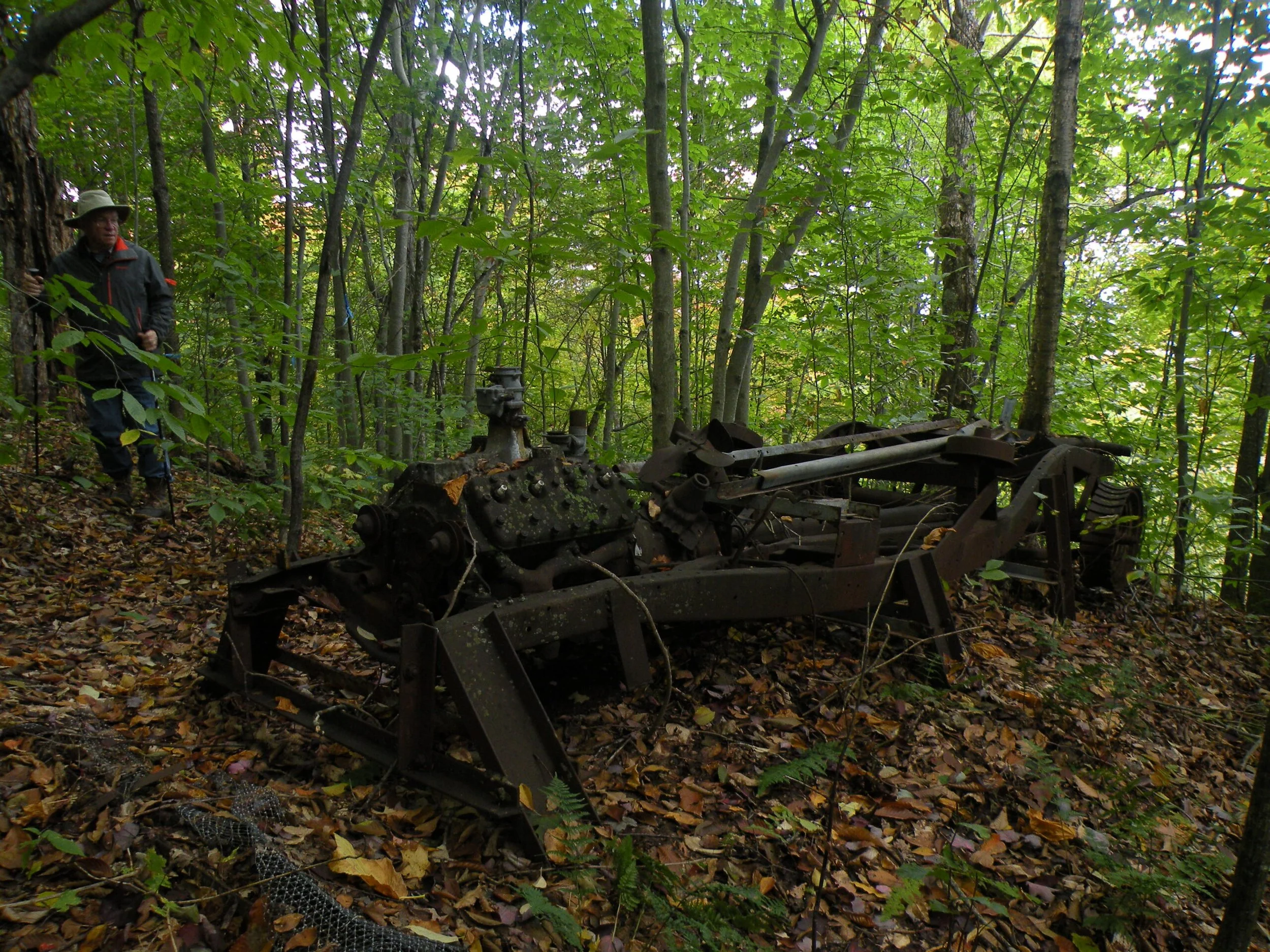
Adapting to Jenkins Mountain
Chad Dawson knows a little bit about recreation and wilderness management. Professor Emeritus of Recreation Resources Management at SUNY ESF and a former APA Commissioner, Dawson is uniquely qualified to help shepherd the State of New York toward adaptive management, a new management paradigm for the Adirondack Forest Preserve.

Ode to the Adirondacks
The Adirondacks tell a story beyond words and images, historical data and climate records, provable facts and documented knowledge.

Adirondack Road Agency
Are roads in wild places a manufactured crisis? AWA co-founder Bill Ingersoll explores this topic.
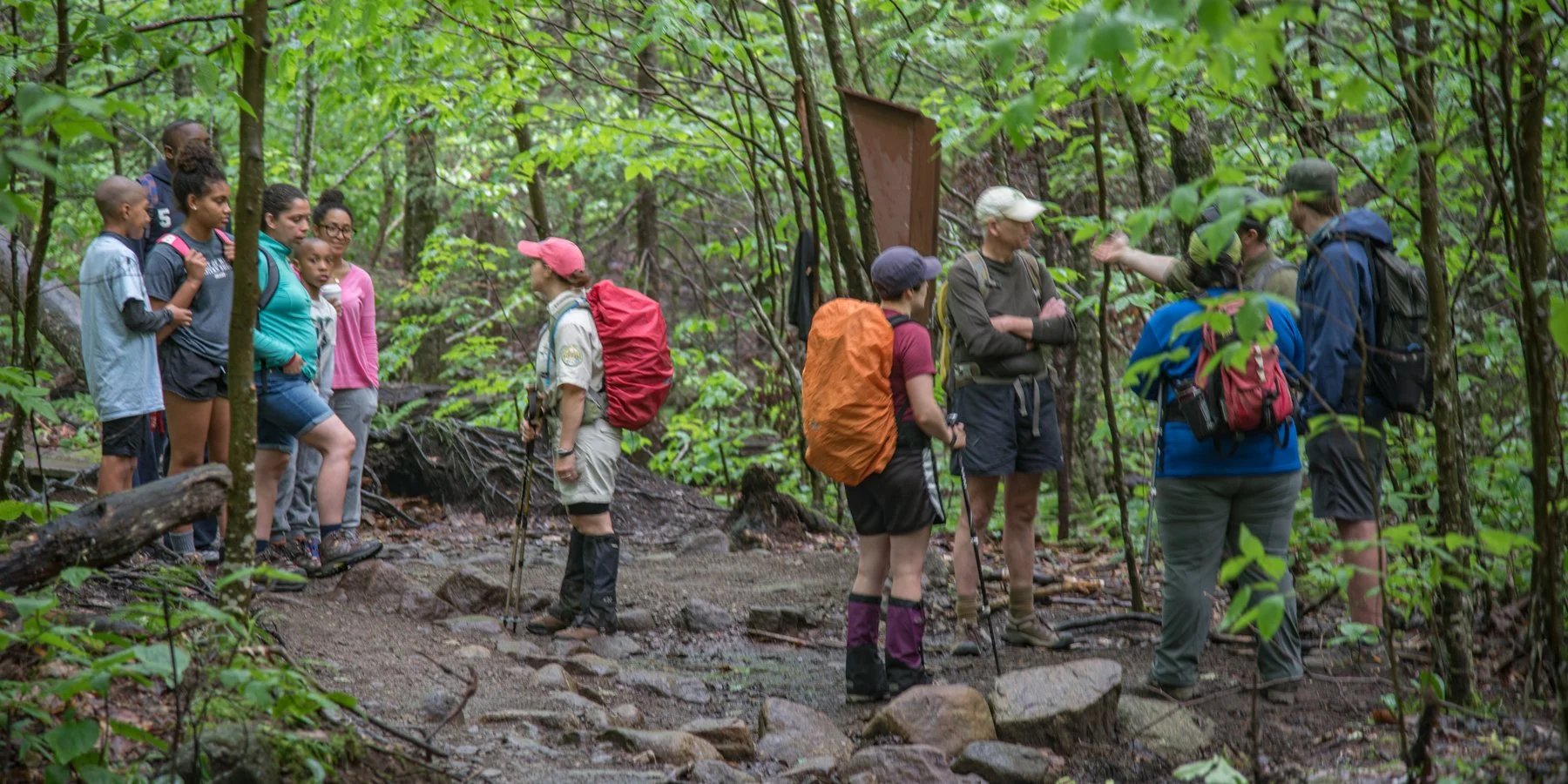
Hiker Dispersal – Take the Survey!
What are your opinions on hiker dispersal? Let us know!

What to Watch in the AMR’s “Permitting Pilot”
Adirondack websites and social media are abuzz with news of a new pilot permit program that the New York State Department of Environmental Conservation (DEC) and Adirondack Mountain Reserve (AMR) have agreed to. Some of the stakeholder organizations represented in the High Peaks Advisory Group (HPAG) have endorsed this pilot. AWA has not.

AWA to Attend Adirondack Sports Expo
Join Adirondack Wilderness Advocates at the 2022 Adirondack Sports Expo in Saratoga Springs, NY!
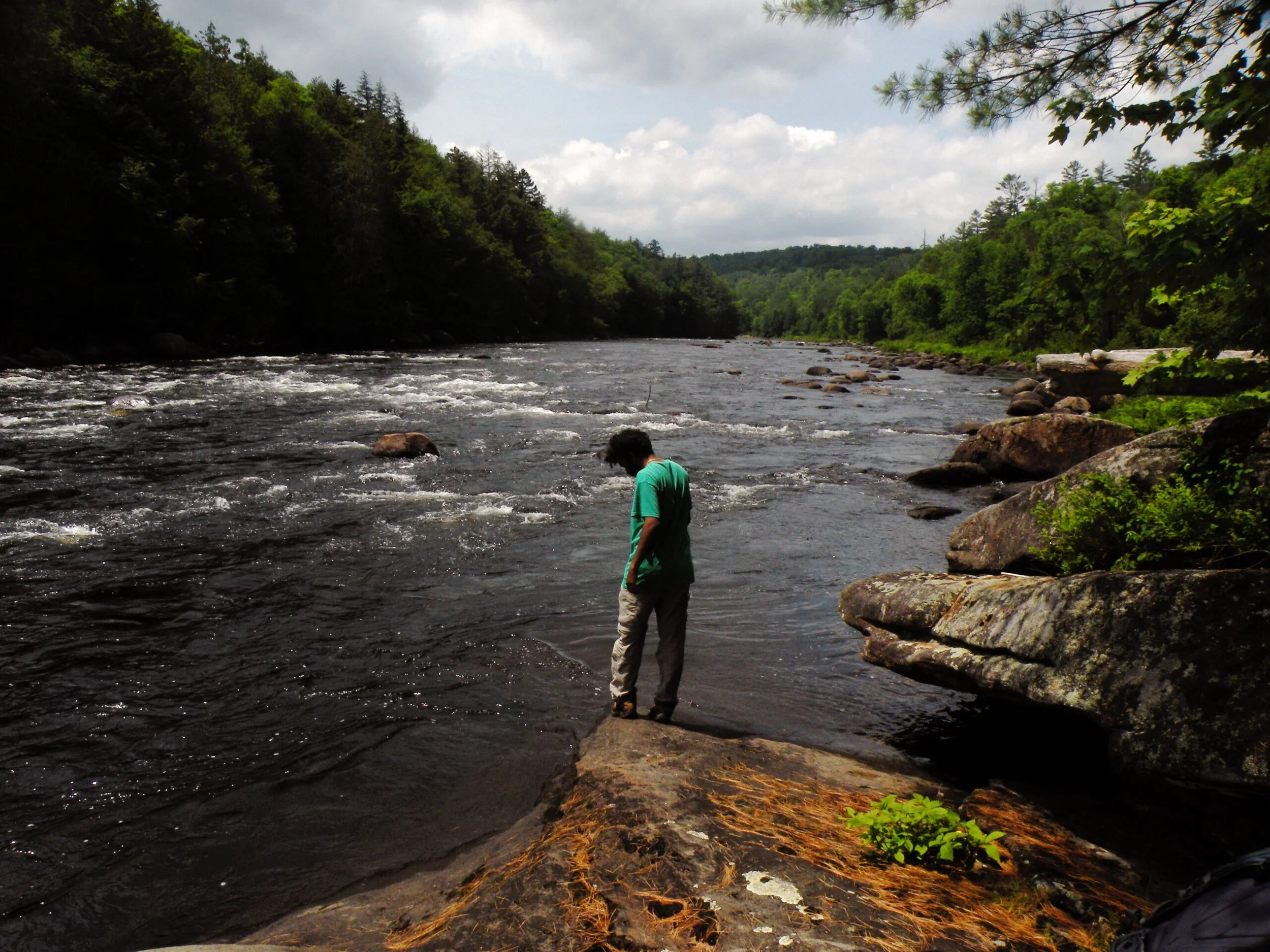
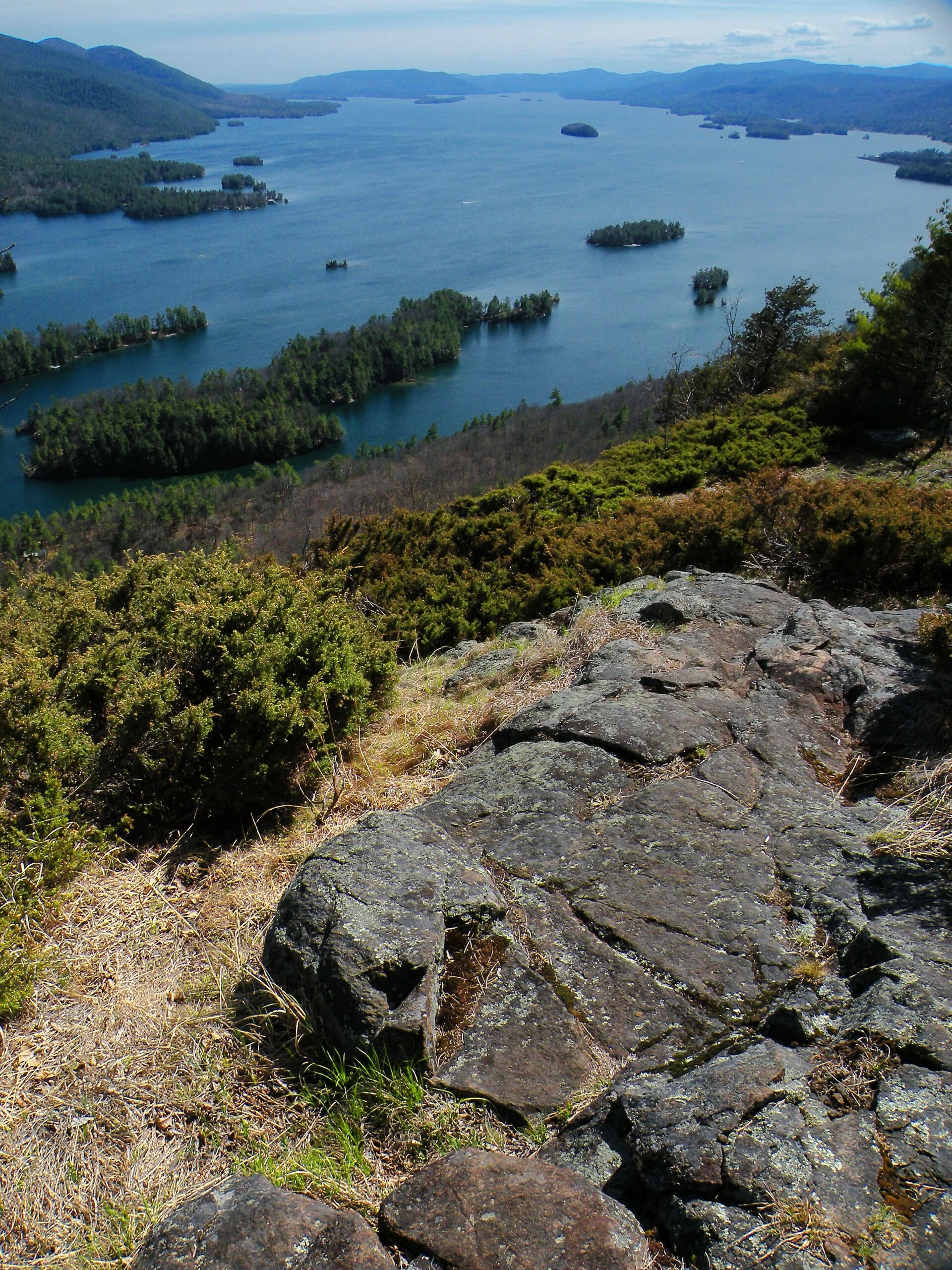

All the Places I Have Never Been
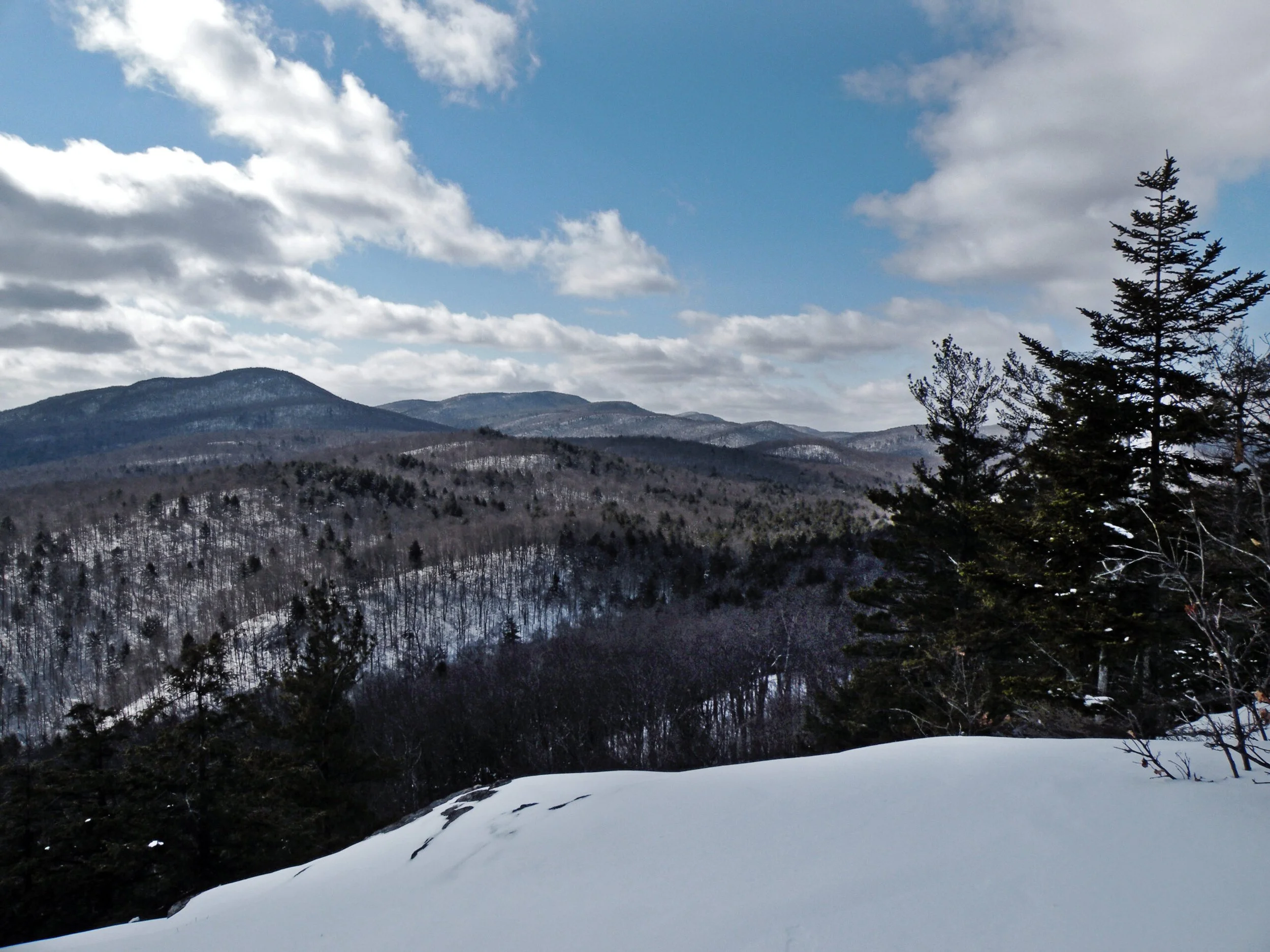
Exploring the Adirondacks often leads to unexpected surprises and discoveries.

Paul Schaefer’s Winter Ascent
Automobiles enabled a new generation of suburbanites from the Mohawk and Hudson valley regions to begin visiting the mountains more frequently. Some of these people acquired rustic cabins built by the early homesteaders and converted them into camps. Paul Schaefer, a contractor from Schenectady, was one such person.

The Era of Referendum and Recall
Bill Ingersoll, in his blog entitled “Have a Little Faith in the Forest Preserve,” argued in favor of turning the land over to the state. He mentioned that in the past when “a river was threatened by a proposed dam,” or if some other forested area was threatened by development, the “preferred method of protection has always been to acquire it for the Forest Preserve.” There has often been a lively debate, over the years, about whether state officials were doing a good job of protecting the Forest Preserve.

Making the Call for Wilderness
This organization began as a citizen’s campaign. When other, more established groups seemed all too willing to trade concessions on wilderness for what seemed like mere tidbits of political credibility, we saw a need to step forward and demonstrate what wilderness advocacy truly is. While we didn’t get everything we wanted, it was clear we had made an impression that year, so after that original “crisis” passed we decided to formally incorporate and see what else we could do.

Examining Hiker Dispersal: What’s Next
One of the issues AWA is working on is dispersal: the strategy of redirecting hikers from busier to lesser-used trailheads. We started with an informal survey sent to our supporters, to help us gain additional perspective on hikers’ views of dispersal. We learned quite a bit from the responses, and now we are working to incorporate a more formal investigation of dispersal as a part of coming adaptive management projects in the Adirondack Park.

Leading the Way on Adaptive Management
Adaptive management, recommended by the State of New York High Peaks Advisory Group (HPAG), of which we were a part, is an iterative approach to wilderness and visitor management that uses science and data to drive a cycle of measuring, learning and adapting to changing conditions. Used with great success elsewhere, it is the world-class management approach that Adirondack wilderness needs and deserves.

The Paint Mine and the Tower
Locals regarded Crane and Huckleberry mountains as places to pick berries—specifically blackberries, raspberries, and huckleberries (blueberries)—as well as a source of paint pigment and other minerals. Outsiders, however, viewed the mountain in terms of its recreational potential. Long before young Julia Oliver began guiding parties up the mountain for a quarter, Crane was a well-known hiking and camping destination.

The Lady of Crane Mountain
Although its summit elevation of 3254 feet falls well short of the Adirondacks’ highest peaks, few mountains present a profile as stunning as Crane Mountain. It rises over 1900 feet above the nearby hamlet of Thurman, with steep, rocky slopes on its southeastern and southwestern faces. Except for Huckleberry Mountain, which huddles nearby like a child following close behind its mother, this peak stands apart from all of its closest neighbors.

Stewardship Within the Adirondack Park
The NYS Department of Environmental Conservation has long depended on — and partnered with — organizations to deploy stewards. From summits to trailheads to water access points, these stewards help educate the public on responsible recreation and enlist their help in protecting the Forest Preserve.