
EXPLORE! Ferd’s Bog
Ferd’s Bog is located within the 50,000+ acre Pigeon Lake Wilderness. Named for Ferdinand LaFrance, Ferd’s Bog represents a low-lying habitat more typical of Canada than south of the border. Bogs, a type of peat-dominated wetland, form above the water table and receive all their water from precipitation. While visiting this particular “bog,” though, you might notice the open waters of Eagle Creek. Bogs do not have creeks, but fens can! A fen also features peat but accumulates water from groundwater or surface water, like a creek. Technically speaking, Ferd’s Bog should be named Ferd’s Fen, but don’t let that misname discourage you from visiting.
Because Ferd’s Bog is a unique boreal habitat, many plants and animals not commonly found around the Adirondacks can be present. This has long been a “hotspot” for birders, leading to a New York State Important Bird Area designation. Boreal birds breed at this location and a “grail bird” amongst Adirondack birders - the American Three-toed Woodpecker - was famously a resident here, though it has been a very long time since one was detected.
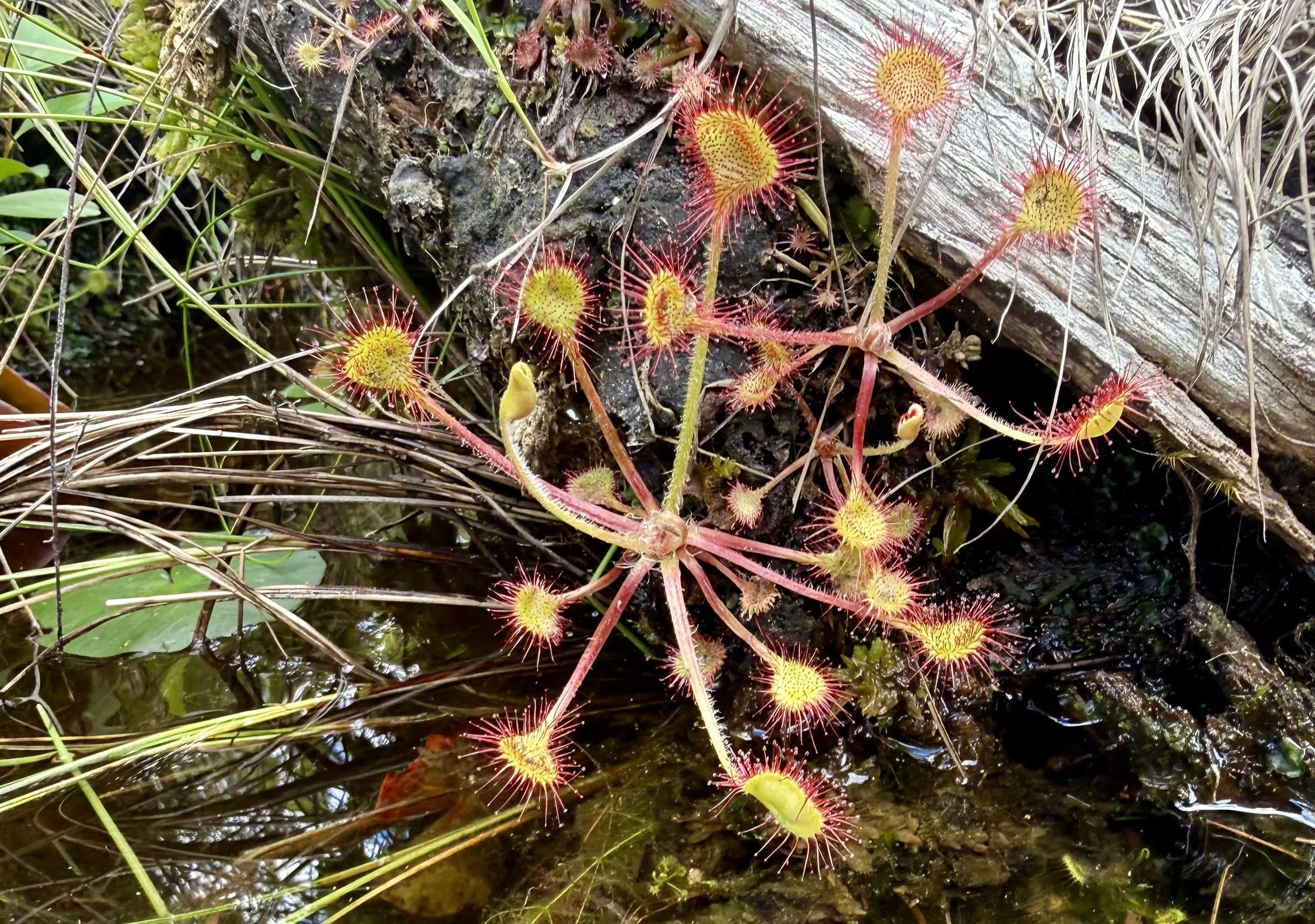
It’s not just the birds at Ferd’s that draw people in. Fascinating plants, like the carnivorous round-leaved sundew can also be found. Whether you are a birder, a casual hiker, a plant identification enthusiast, or just a curious adventure seeker, Ferd’s Bog can introduce you to an Adirondack habitat and environment much different than the highest peaks or open waters of big lakes.
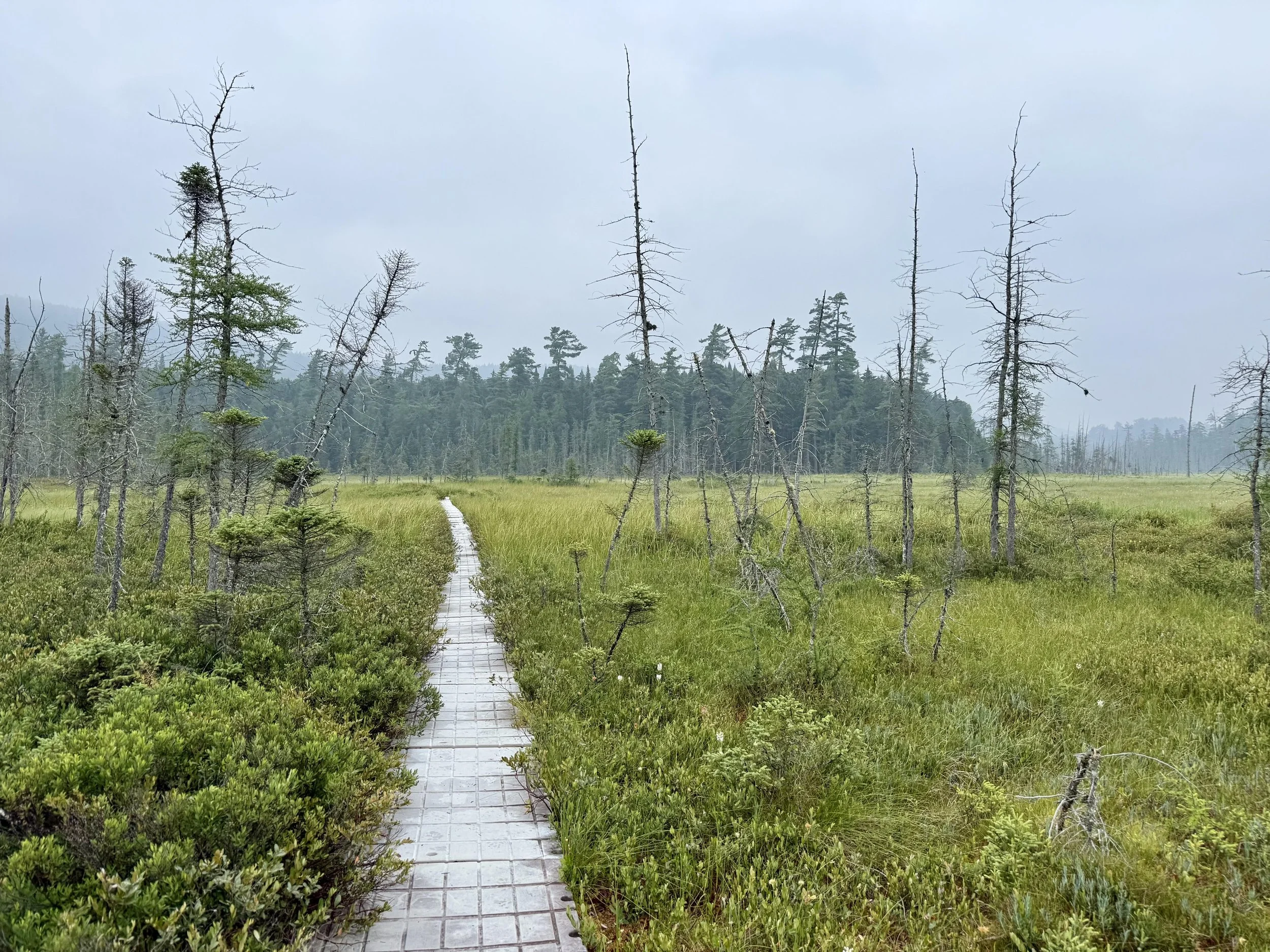
Popular because of its short trail length and exceptional destination, Ferd’s Bog has a lot to offer. Those just looking to check off a list item can be in and out in half an hour, give or take. But for those who are seeking an opportunity to practice their naturalist skills, this could easily be a multi-hour adventure.
Getting there
Getting to Ferd’s Bog could require more effort than actually hiking the trail. The trailhead is located on Uncas Road and can be reached from either Inlet or Raquette Lake. GPS coordinates are: 43.785487, -74.749597. Uncas Road is largely a gravel road, with a few sections of pavement. A truck or serious off-road vehicle is NOT required to reach this destination. Once at the trailhead, there is room for 2-3 cars to park without blocking a neighboring driveway.
The trail
Starting from the small parking area, the trail, marked by yellow trail markers, begins in a lovely forest with towering pines. It does descend soon after the trail register, so be prepared for a climb on the hike out. About 80-feet in elevation is lost in total. Fear not, though, because the trail is only 0.3 miles long (one-way). On a day when there is maybe some fog in the air, the descent has a magical feel, with large trees lining the trail and a surrounding forest with a primeval attitude. This otherworldly feeling of a primitive forest is fitting given the trail’s location near the southern edge of the Pigeon Lake Wilderness.
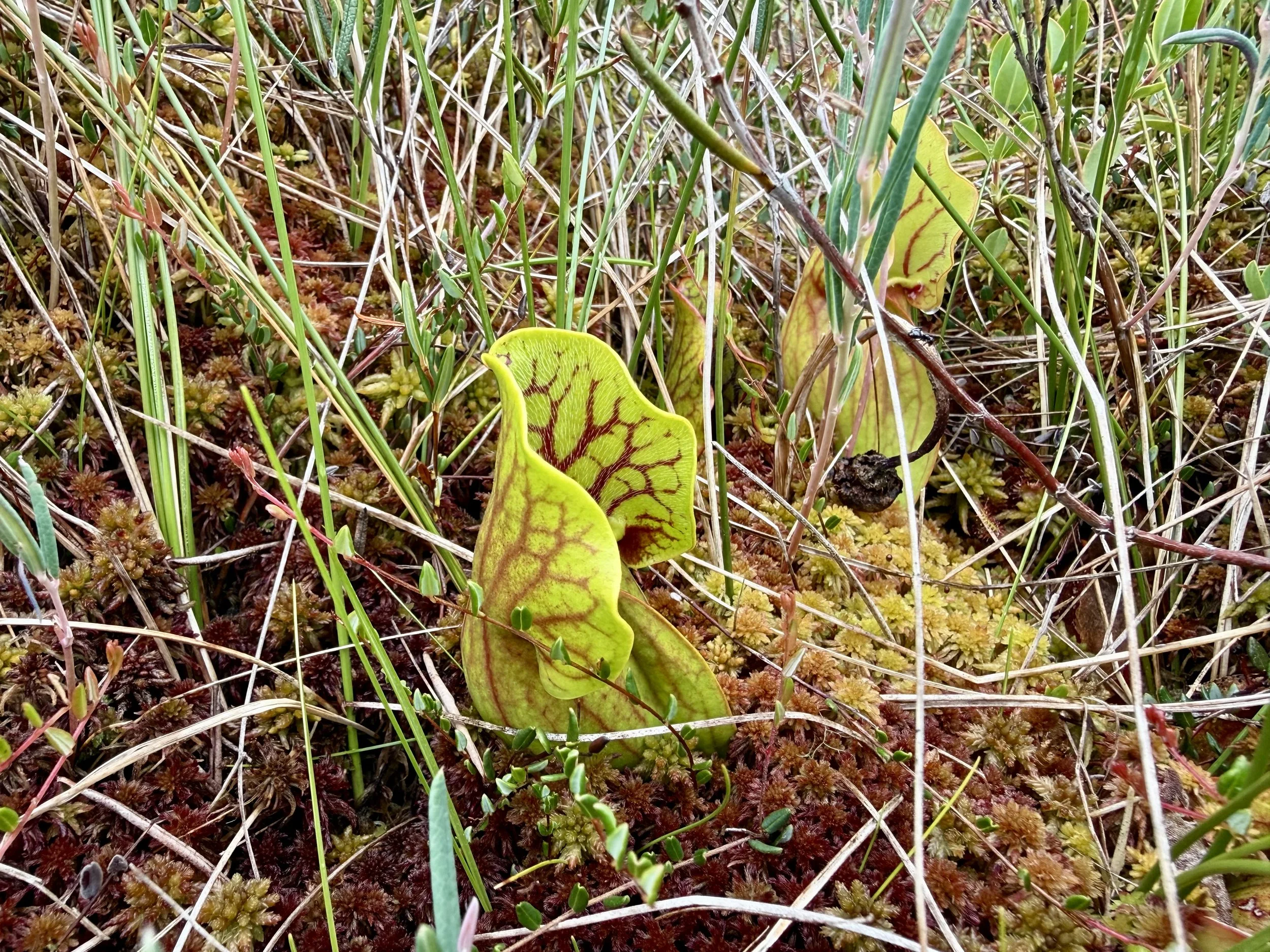
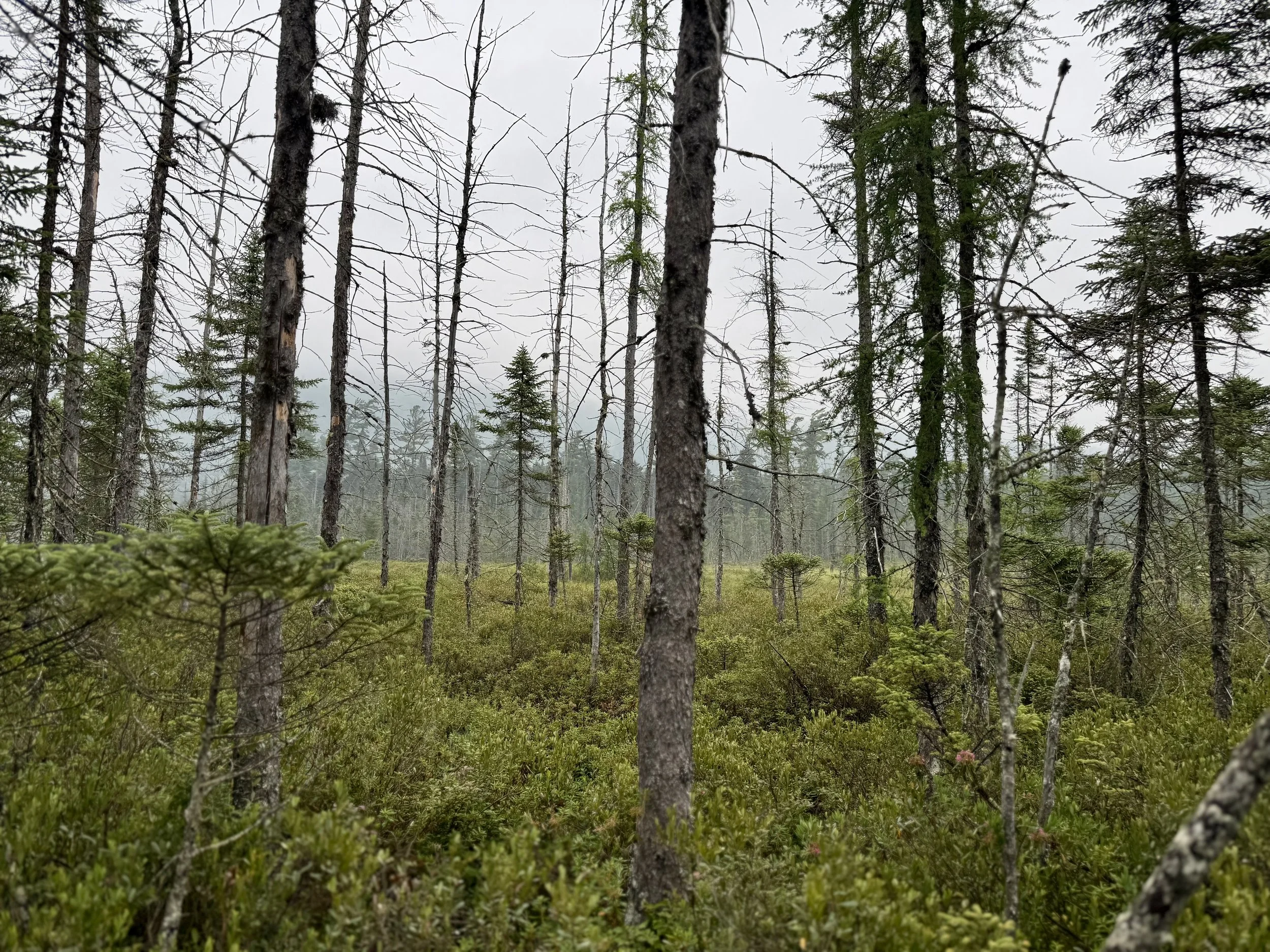
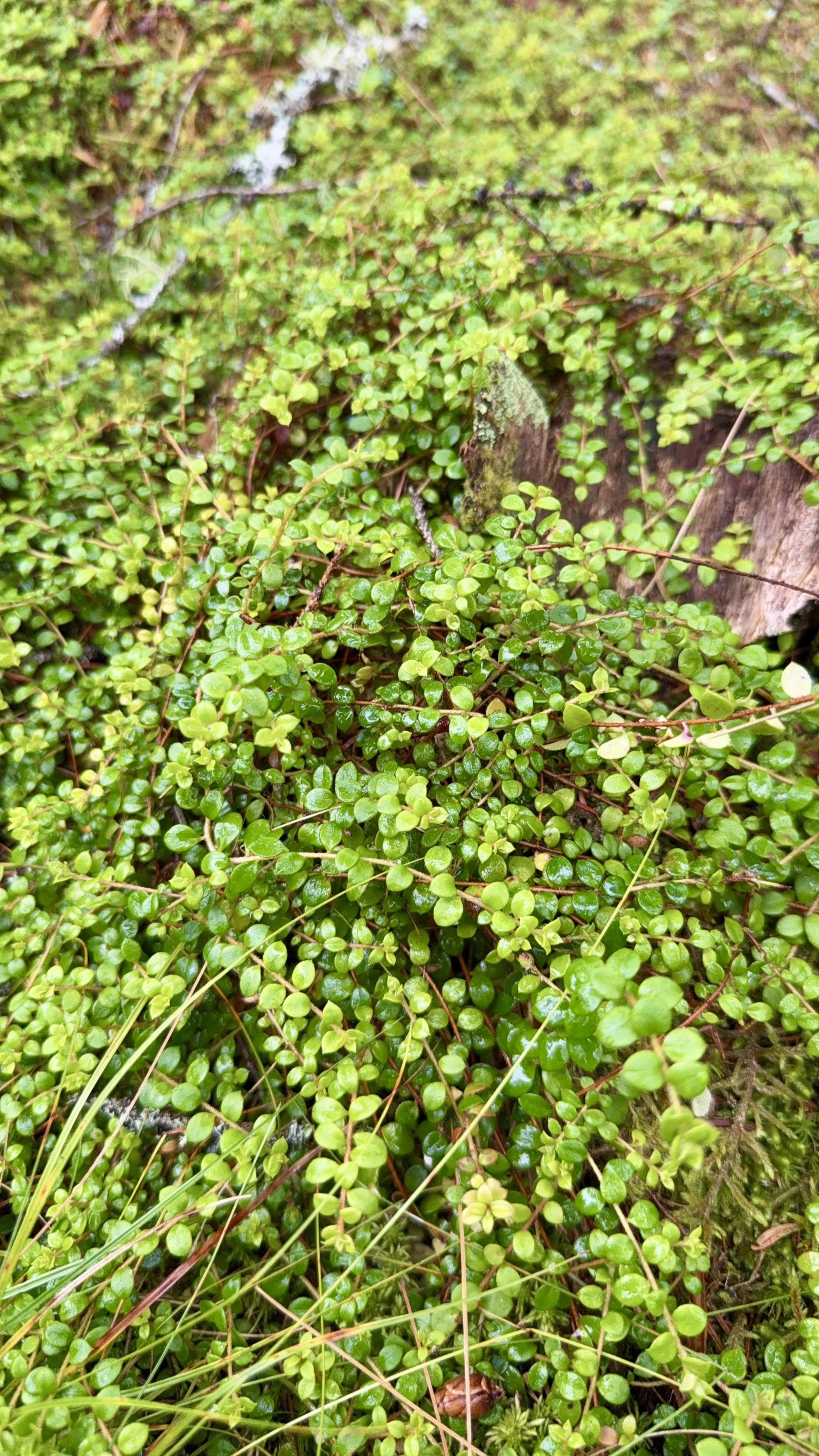
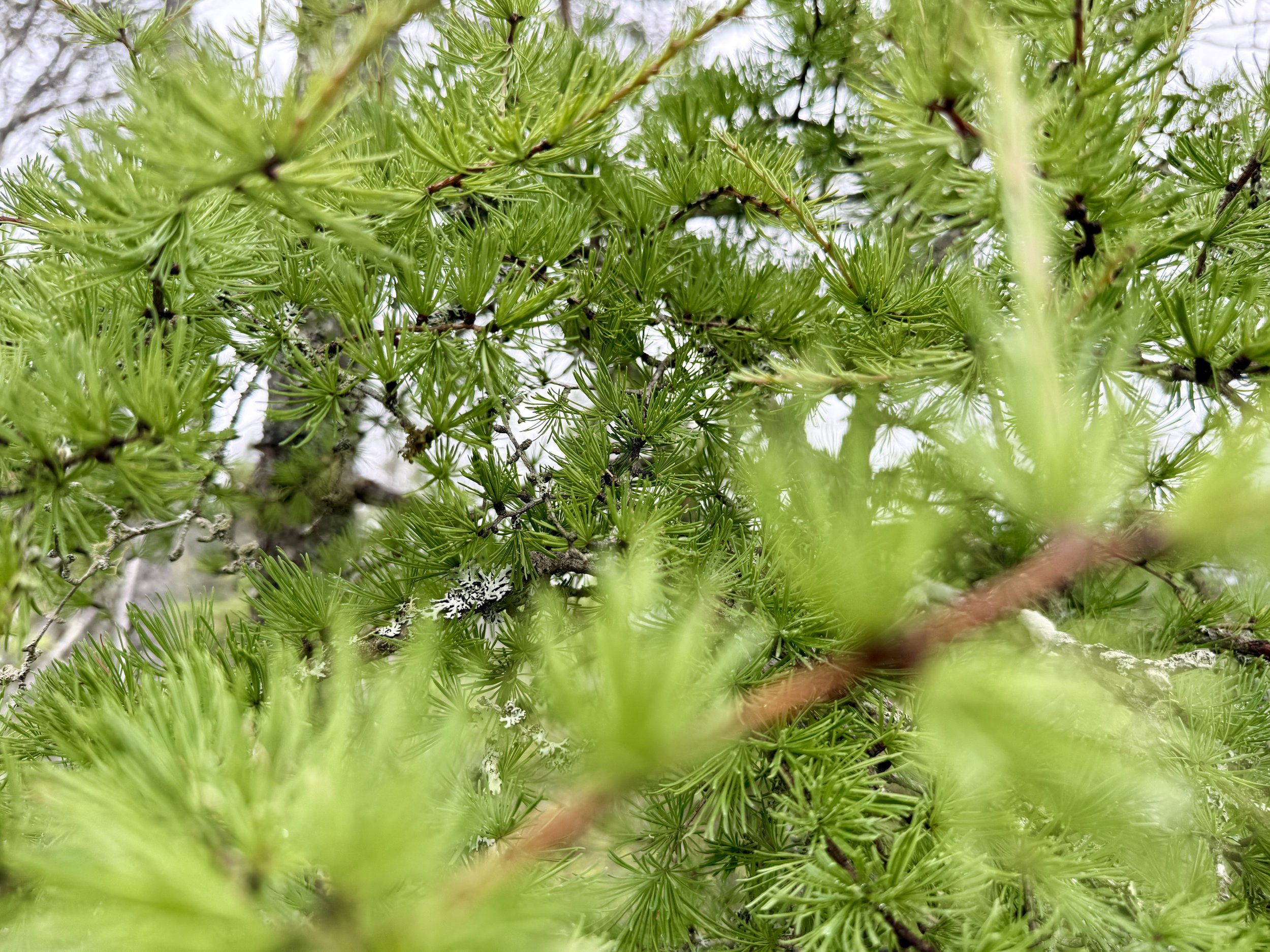
Two very small sections of bridges are passed, seemingly in an effort to avoid muddy shoes during wet times. Thankfully the Ferd’s Bog trail magic does not fade as the trail begins to level out in a forest of now mostly evergreens. Eastern white pine, balsam fir, black spruce, and tamarack trees gently squeeze the trail into a narrower funnel that eventually emerges at a sturdy, level plastic boardwalk. The boardwalk was built in 1998. It may not have that rustic, Adirondack je-ne-sais-quoi we all know and love, but it serves an important purpose. Bogs and fens are super susceptible to damage from footsteps. The boardwalk allows us to experience Ferd’s Bog without harming sensitive vegetation.
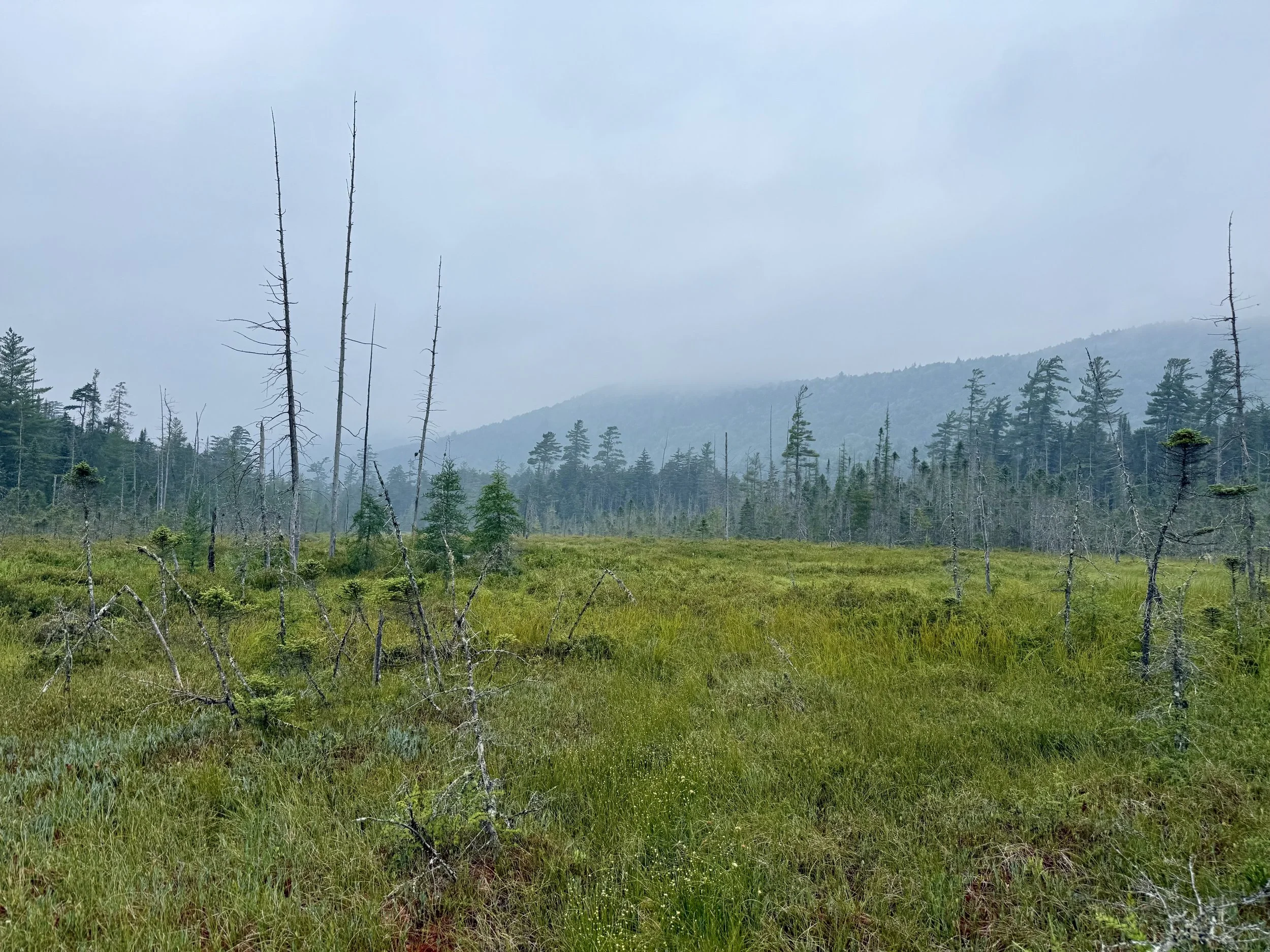
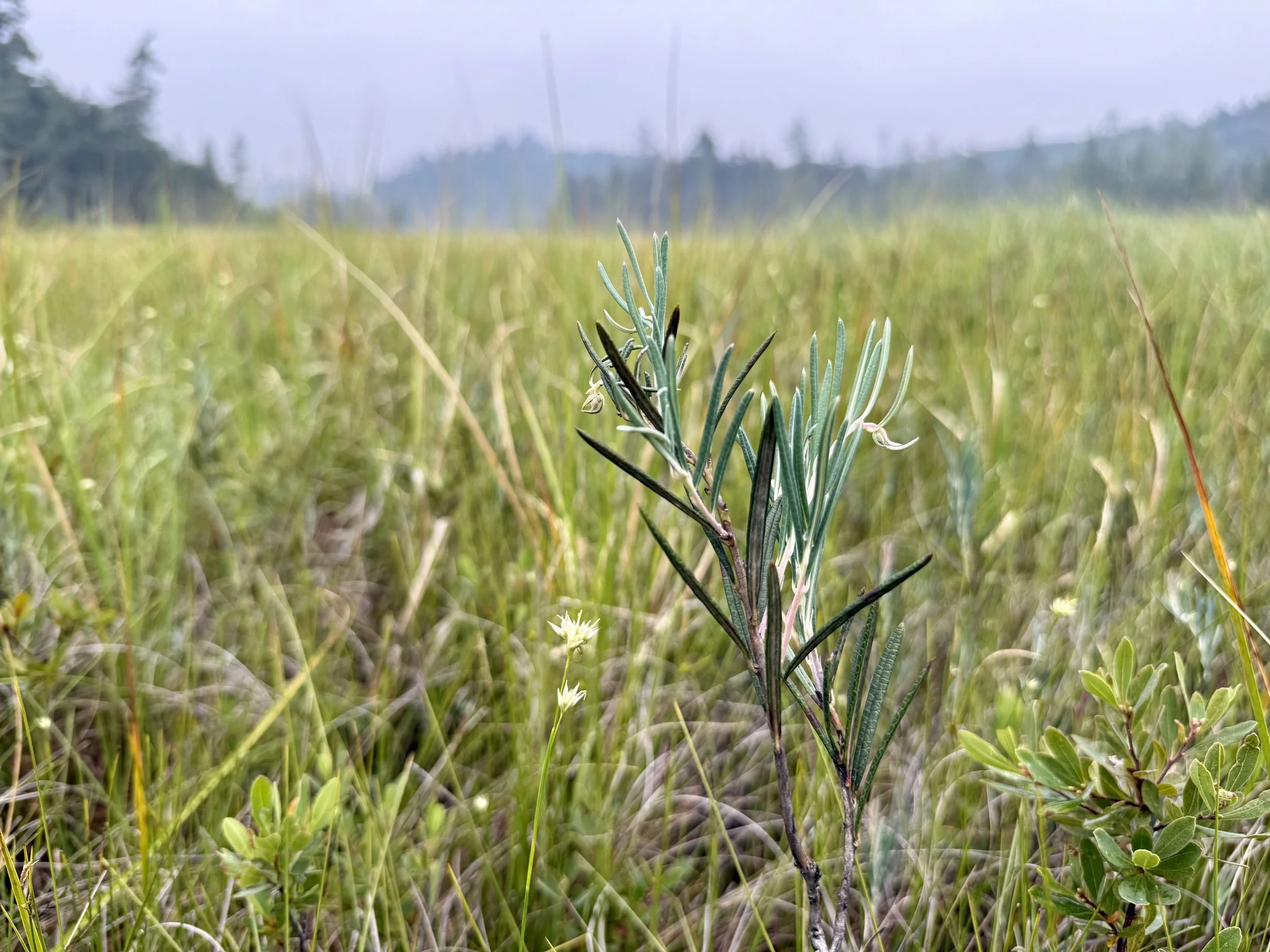
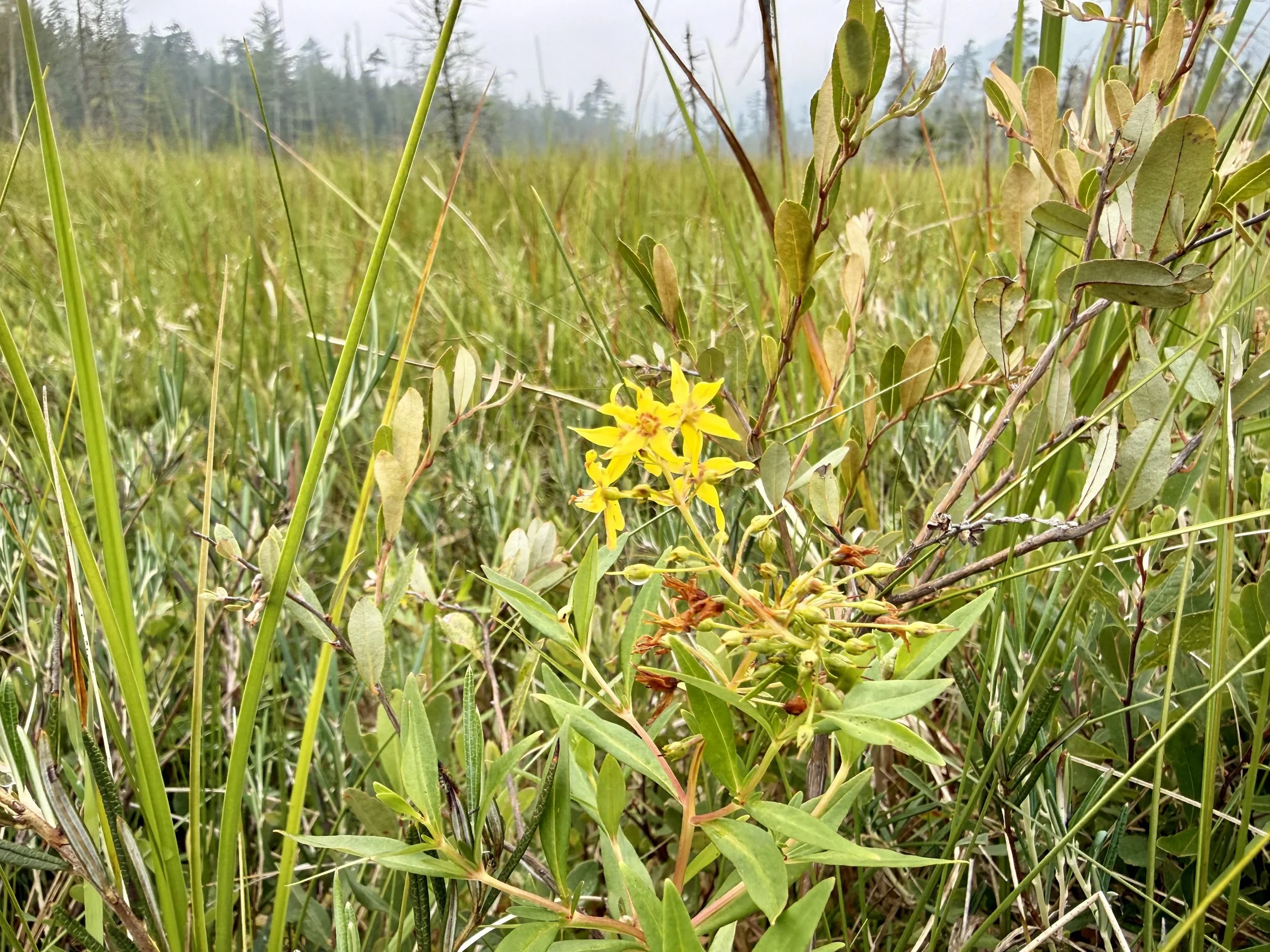
Species like leatherleaf, bog laurel, and wild rosemary begin to appear once your feet meet the boardwalk. All in all, the boardwalk stretches about 500-feet to a viewing platform. As the trees give way to smaller flora, be sure to take a minute (or several) to admire the sphagnum moss, pitcher plants, and tawny cotton grass that have evolved over centuries to thrive in this wet and challenging environment.
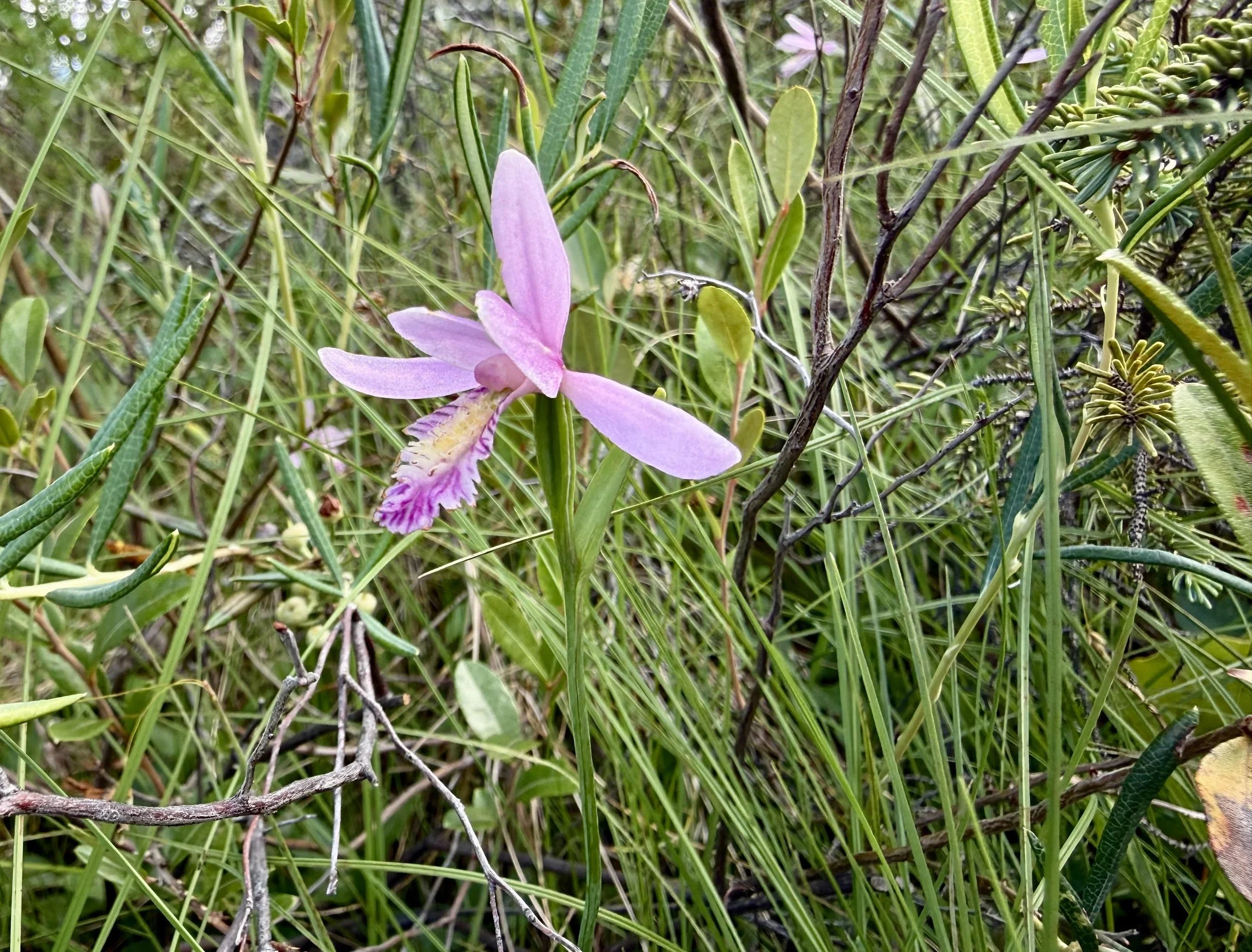
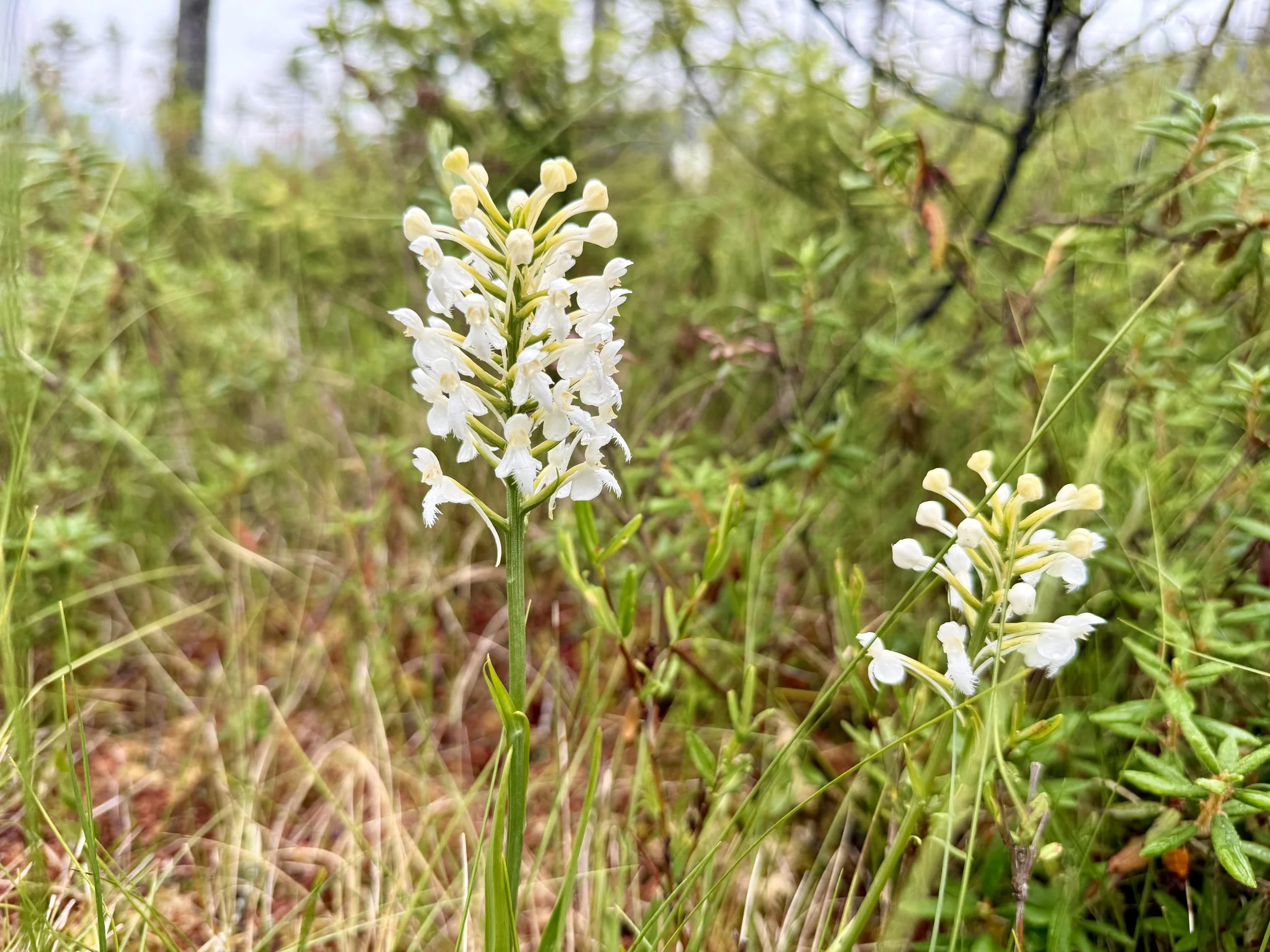
A highlight of the Ferd’s Bog trail has to be the bounty of orchids that bloom in the open mat of the peat. White fringed orchids abound here, blooming in July and adding a dash of white to the majority green landscape. These magnificent orchids are protected in New York State and should never be harvested. Good news though: they photograph wonderfully.
After you’ve spent some time appreciating the expanse of Ferd’s Bog, the trail returns the same way. This time with a climb.
Months without snow are the best time to visit Ferd’s Bog. In winter it is difficult to reach. Uncas Road is a snowmobile route and is closed to all other motor vehicles.